Soon we will leave Bahamas and sail over the Atlantic to the Azores. Joining us on board on the Atlantic crossing will be whale researcher Hannaleena Väisänen. She will continue the research Ove Mikal Pedersen initiated during last years crossing from Guadeloupe.
Valuable research data will be gathered both by hydrophone and photos.
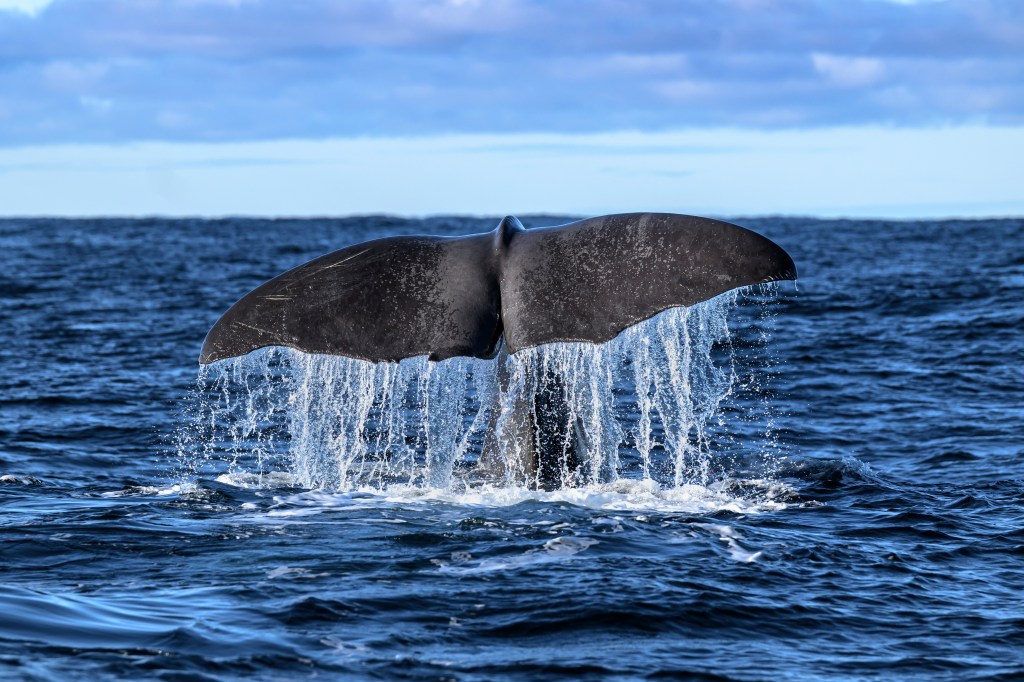
Below Hanna describes the research tasks she will do and the possible findings.
Towing a hydrophone behind the vessel (when weather and sailing plan allows)
provides the following opportunities:
The hydrophone records sound continuously and can also be used to give directionality towards where the whale vocalizations came from, and, if needed, can be used for localizing whales. The system works particularly well for sperm whales, as their echolocation clicks can be up to 235 dB, providing us with the possibility to pass areas of interest and detect the number of whales in the area. By continuously gathering GPS and sound data, the recordings can then be analyzed for looking at the presence and abundance of sperm whales.
The cruise is planned to pass several sea mounts along the Mid-Atlantic Ridge. Since carrying out research in these remote areas is extremely costly and usually involves using a bigger ship running on fuel, the use of a sailing boat offers several important vantage points. It is cost effective, environmentally friendly and in turns of using a hydrophone: almost silent.
A previous crossing like this has already been carried out, but one dataset does not necessarily give much to deduce from, repeating this effort will give a stronger set of data and opens up quite a few possibilities in the future. Among them, detecting possible lesser-known hot spots, migration patterns and eventually maybe also aid in abundancy estimates.
Another interesting feature of the echolocation clicks of sperm whales is that due to the way they are produced, it is possible to measure the size of individual sperm whales. This can then be used for looking at the presence of adult males (> 12 m in length) in the area, which is part of the breeding grounds for sperm whales in the North Atlantic.
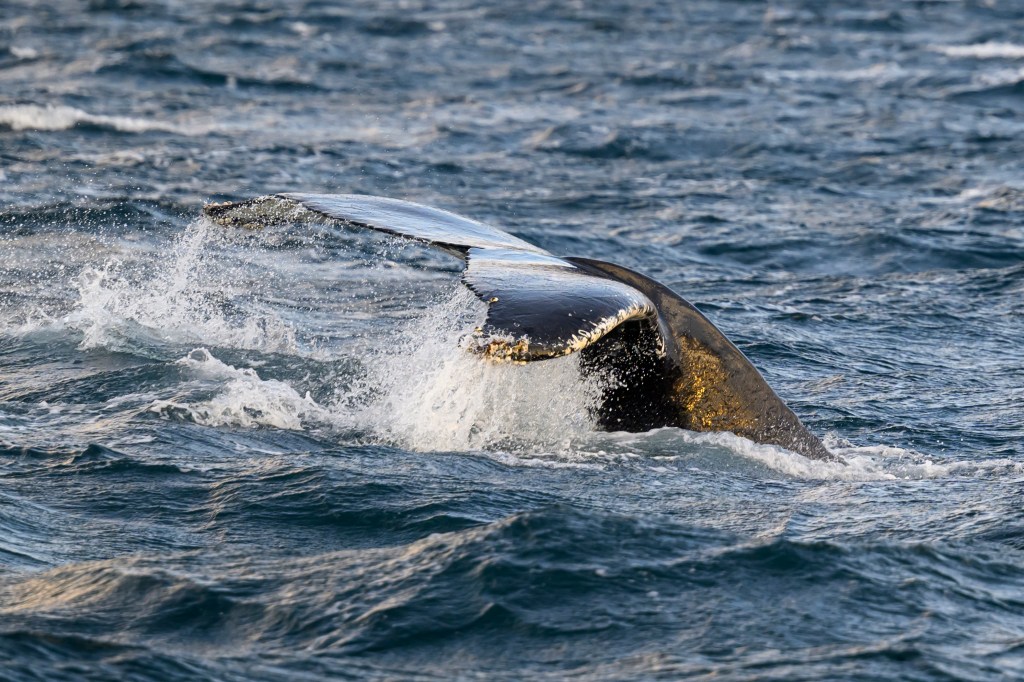
Other positive aspects are the visual ID possibilities. This is done by taking
photoidentification images if/when sperm whales, humpback whales, killer whales, pilot whales, Rissos dolphins or other species that can be identified from photographs are encountered. Such images are a very valuable contribution to ongoing studies on these species both in the Caribbean and the Azores, any images (and other data) on whale species between the Caribbean and the Azores are also super interesting as most Cetacean projects are focused on coastal waters.
Also, on a side note, the recordings will be analyzed for the presence of beaked whales. These whales are notoriously sensitive to anthropogenic sound and are very rarely seen. Little is known about them and any detection of them would be tremendously interesting.
What the Celeste of Solent and its owners and crew are doing by offering this spot for research is of tremendous value to the ongoing project in Norway on sperm whales.
 SAILING ROUND THE WORLD