St Lucia to Guna Yala (San Blas) – 1 316 NM
After days of thorough preparations in Rodney Bay, the moment finally arrived. Provisioning, maintenance work, detailed inspections by the ARC organization and safety briefings, filled our days, all with one goal: to ensure that both boat and crew were fully ready for the first leg of our circumnavigation.

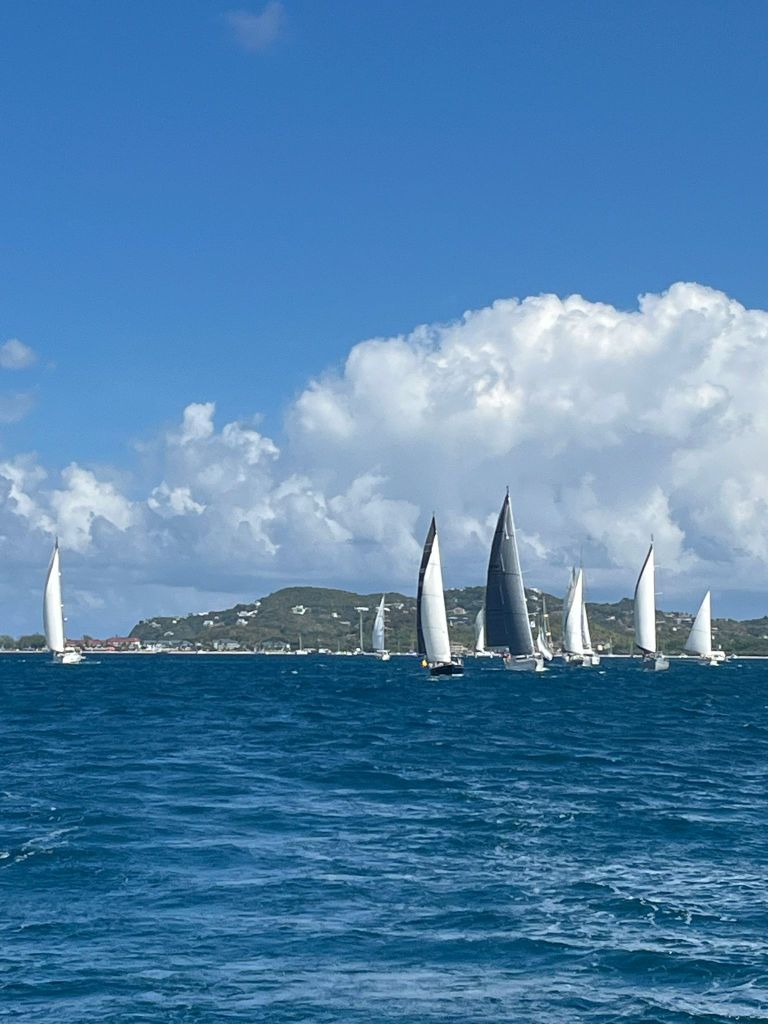
Late on Saturday morning, January 10, 2026, two hours before the official start, we cast off. The trade winds were already well established at 15–20 knots, and in the start area we sailed under mainsail alone, making between 7 and 10 knots.
We chose to hold off hoisting Jib #2 until we were lining up for the start. In total, 23 yachts departed from St Lucia in World ARC 2026–2027—an impressive sight of sails, anticipation, and adventure.
A clean start
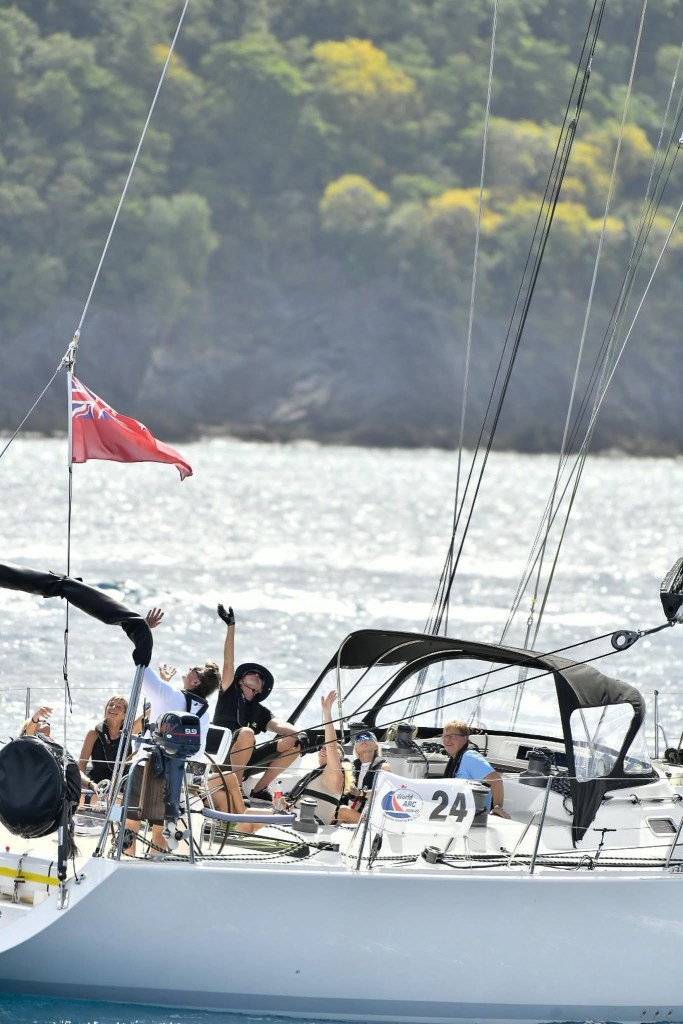
The starting gun fires and we get away cleanly. It’s a broad reach toward the first rounding mark, and Celeste is the first boat around. We set a westerly course for Guna Yala, the San Blas Islands. With a full mainsail and Jib #2, we quickly settle into a strong, steady pace.
Toward evening, large areas of squalls sweep across our projected track. The GRIB files, however, show better wind farther south—and fewer squalls. We decide to gybe south toward the more promising conditions.
It turns out to be exactly the right call.
Finding the right lane
Day two delivers excellent sailing. Full main and Jib #2 drive us forward consistently, and by staying farther south we gain both better pressure and a slightly steeper wind angle—an immediate boost to our speed.
Day three continues in the same vein, with favorable conditions allowing Celeste to maintain a good pace and position within the fleet.
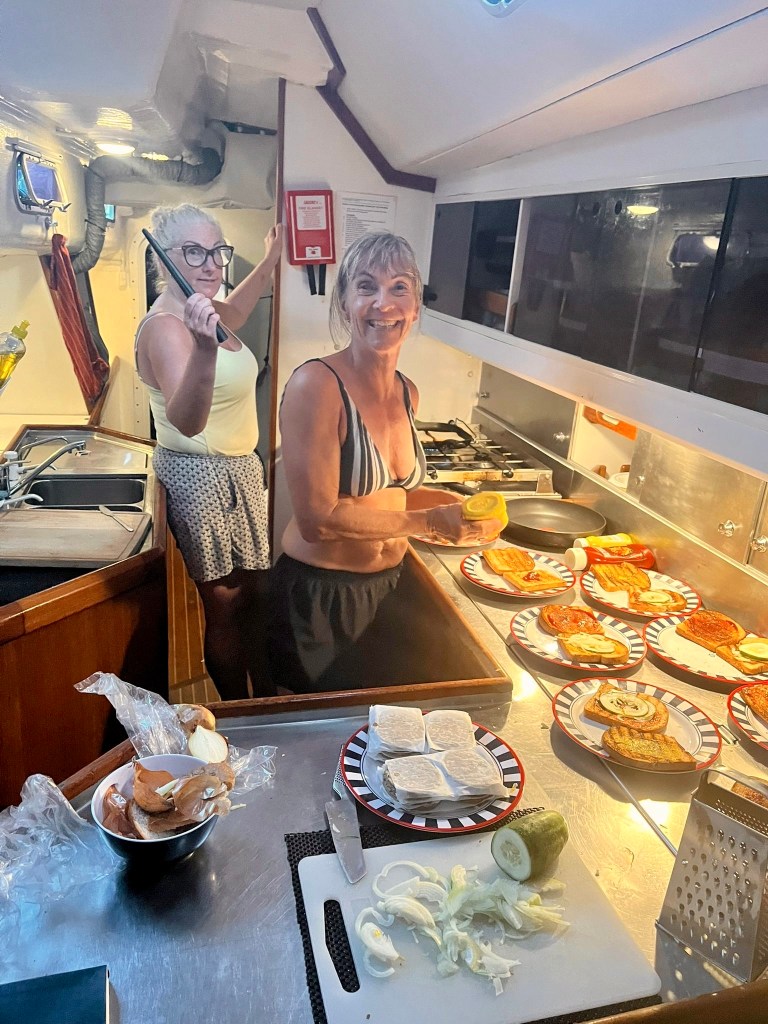
After a couple of days the watch teams has settled into the routines.
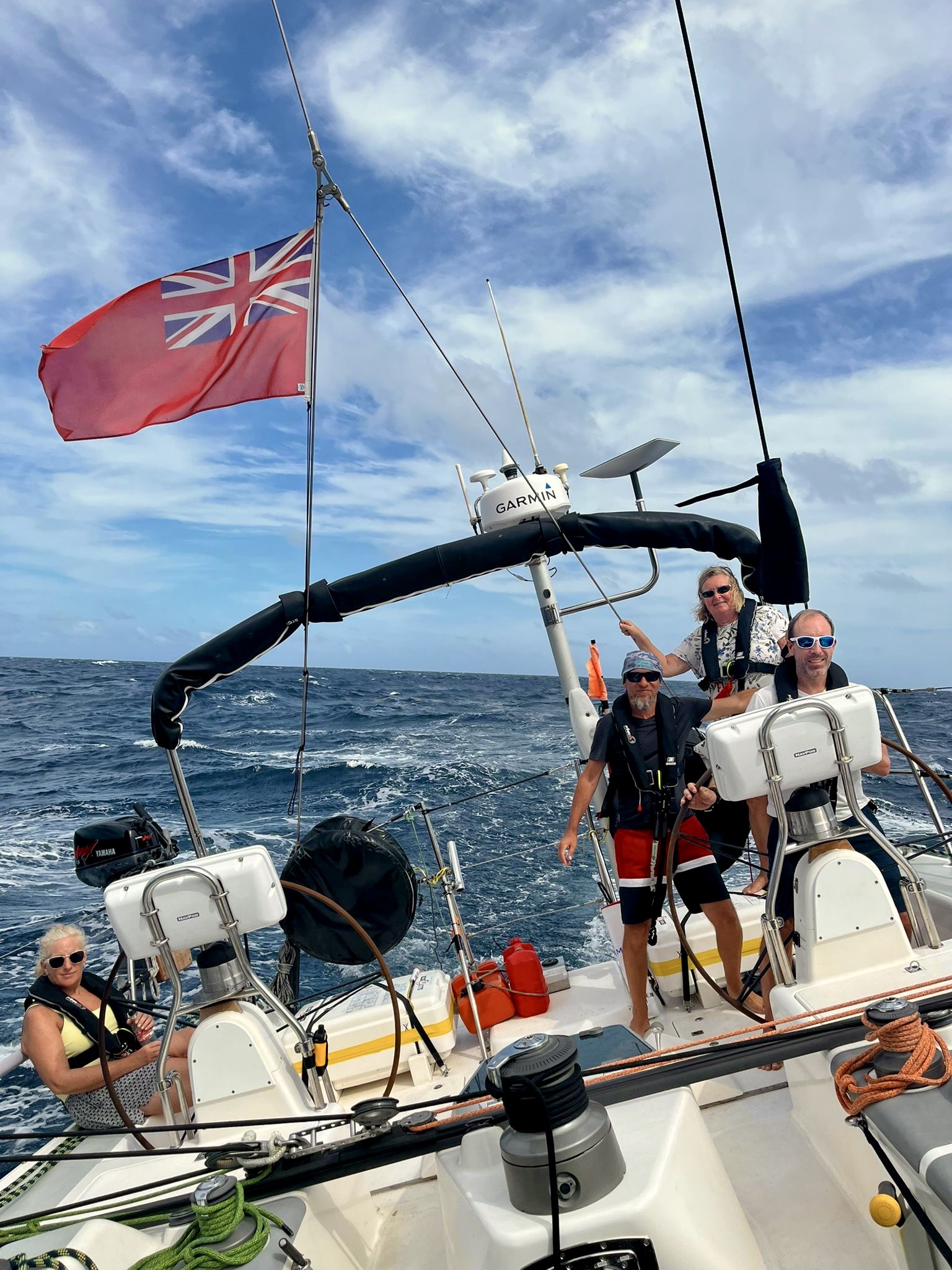
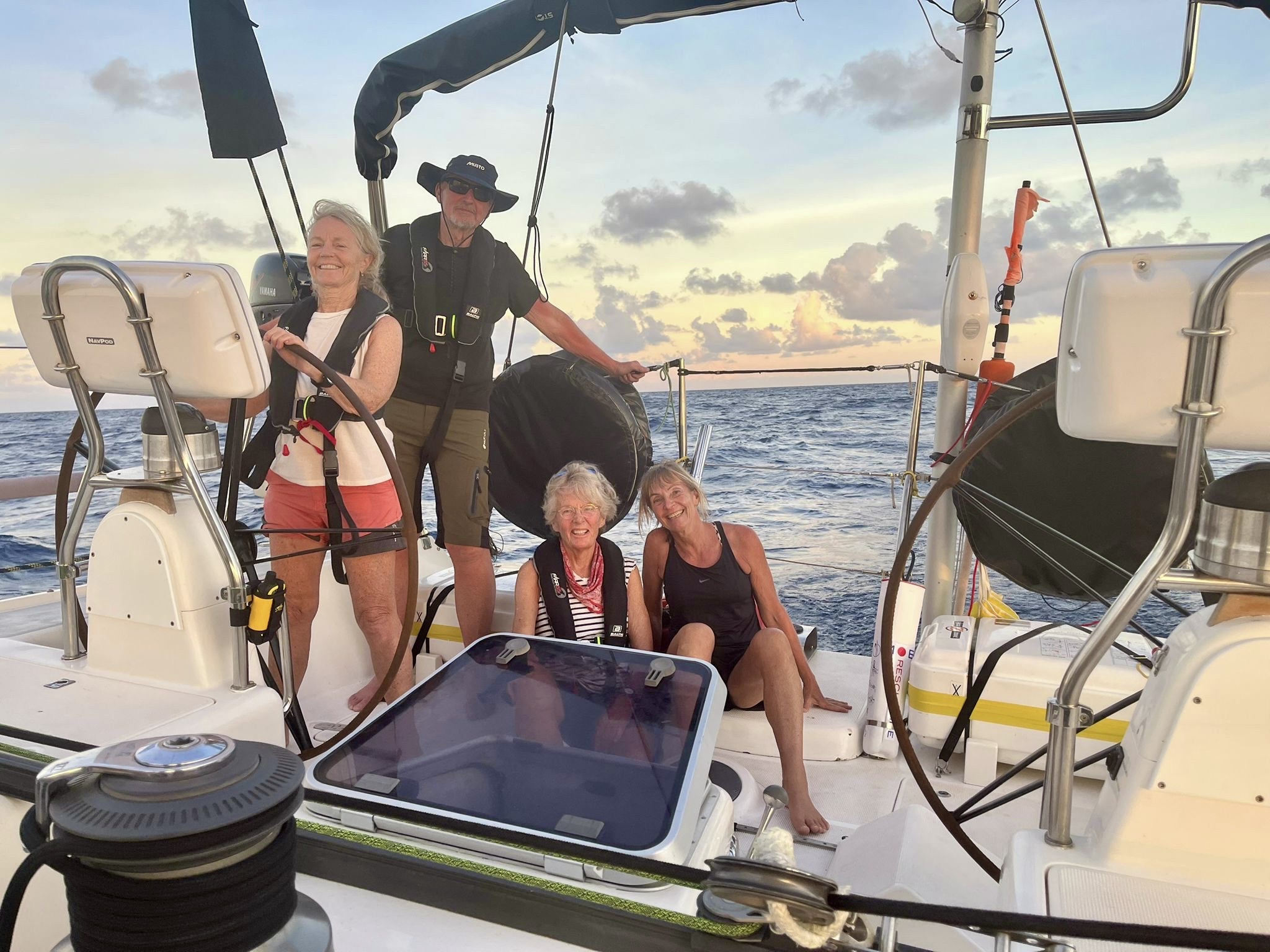
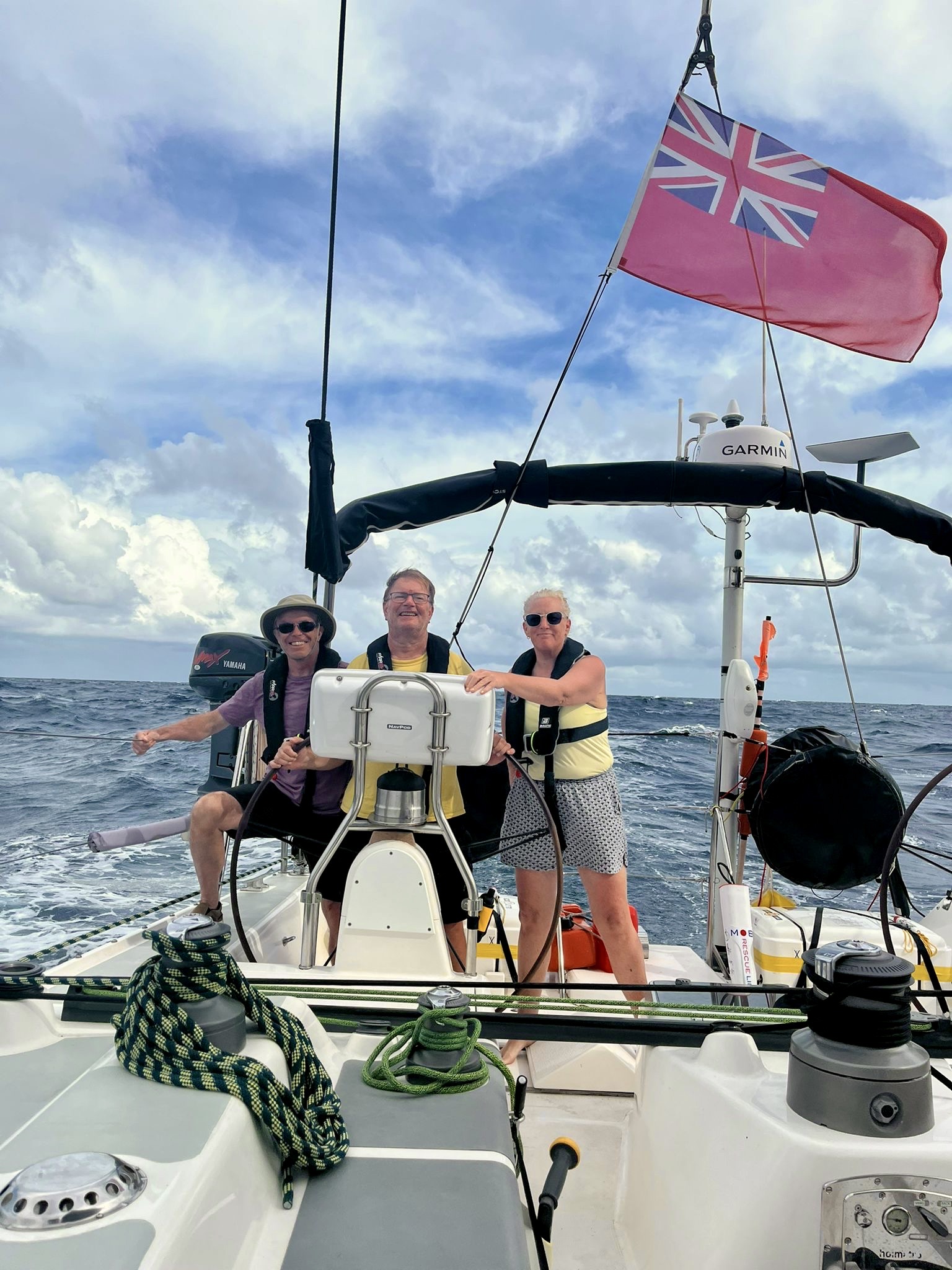
On day four, we approach the Colombian headland of Punta Gallinas. A low pressure system is almost always present over Colombia, and this time is no exception. The so-called Colombian Low, with its counterclockwise circulation, combines with the easterly trade winds to create a power ful acceleration zone extending roughly 80–100 nautical miles offshore. For safety, the headland should be passed with a generous margin.
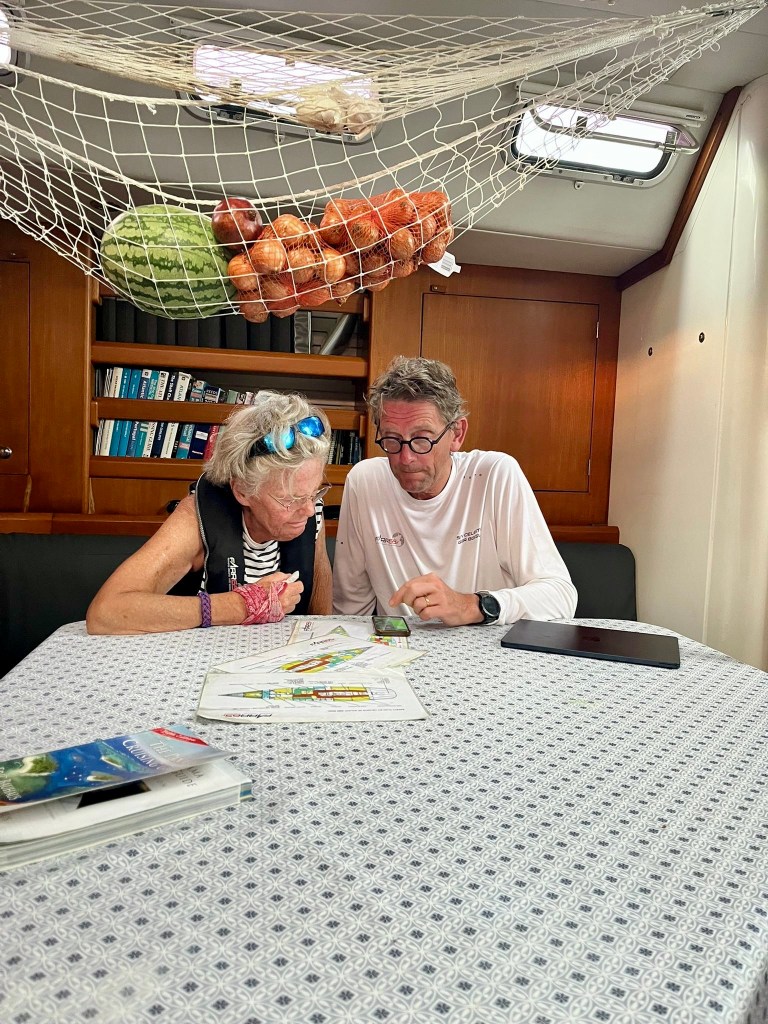
We choose to stay well offshore, clear of the acceleration zone. Several boats opt for a more coastal route, shortening the distance toward Guna Yala—but facing significantly tougher conditions on board.
Offshore pays off
By day five, we pass the headland at a comfortable distance. Conditions have been kind, and we gybe onto port tack, shaping a southerly course toward the finish. Thanks to our offshore strategy, we enjoy a better angle than much of the fleet. It becomes a beautiful day of sailing, with speeds hovering around 10 knots.
During day six, the finish line draws closer. As expected, the wind eases, and steering Celeste in the lighter air demands focus to keep the sails drawing and minimize slatting. The night requires steady concentration, but everything remains under control.
A strong finish to the first leg
On Friday, January 16, 2026, we close in on the finish. We are lying third in the fleet. A few well-timed gybes help us squeeze the last bit of speed from the light airs.
The Baltic 67 Maniyleti finishes first, followed by the Farr 585 Gipsy Soul. Celeste crosses the line as the third boat. Final results will be decided after handicap and engine-hour calculations—but on board Celeste we have logged zero engine hours, which may well work in our favor.
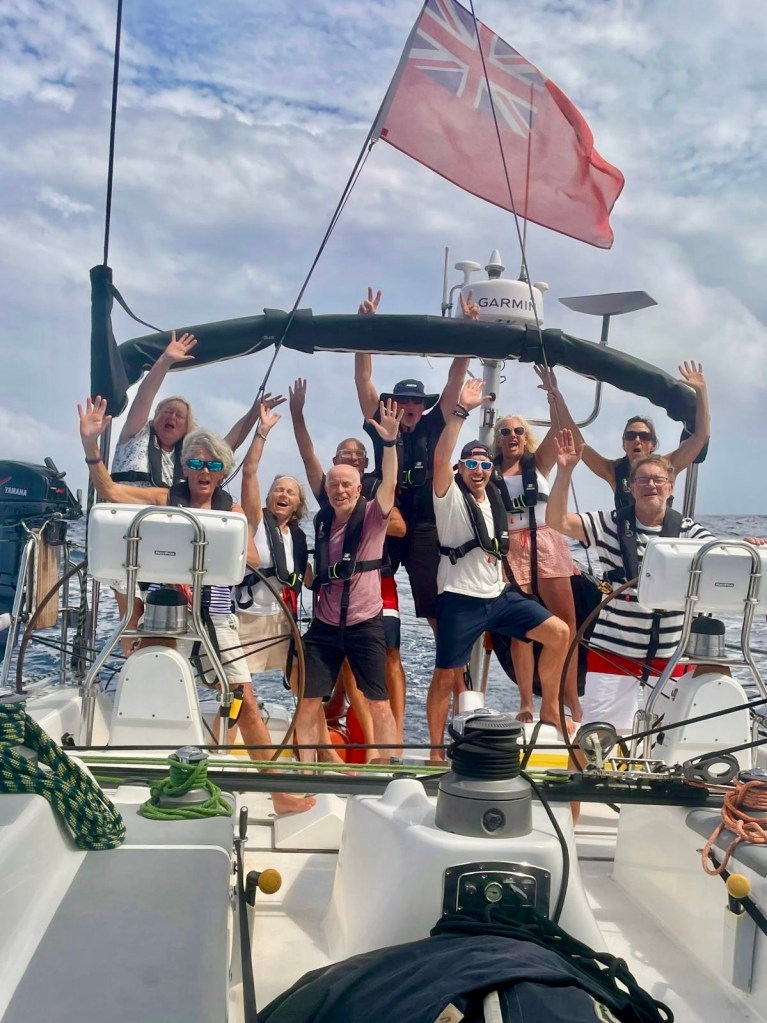
For all of us on board, this has been a truly fantastic start to our journey around the world. Now a few days of maintenance, sunshine, and swimming await in Guna Yala, before we continue on to Colón and Shelter Bay Marina.
Bengt, skipper Leg 1 World ARC
 SAILING ROUND THE WORLD