As a crew member on board Celeste of Solent, you become part of the team and are involved in everything from steering and navigating to cooking.
All trips are planned with time to gather onboard Celeste to get to know each other and familiarize ourselves with the boat. The day or days leading up to departure will be spent on preparations, for example menu planning and provisioning as well as route planning. We will also have a thorough safety briefing before we depart and set sail..
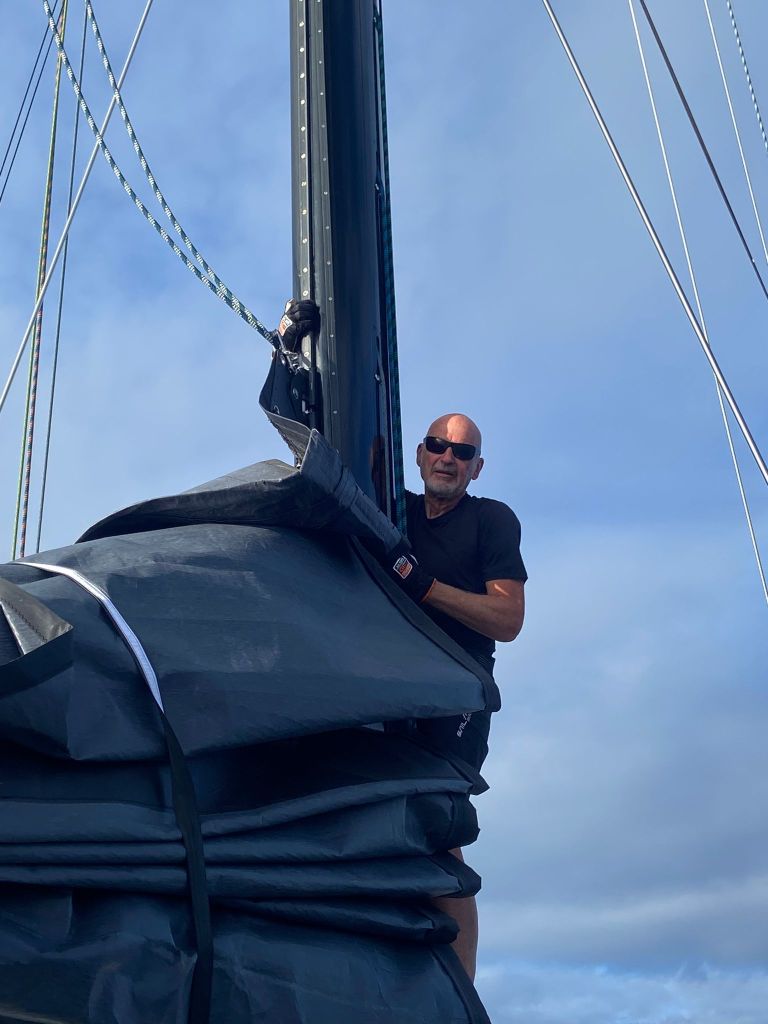
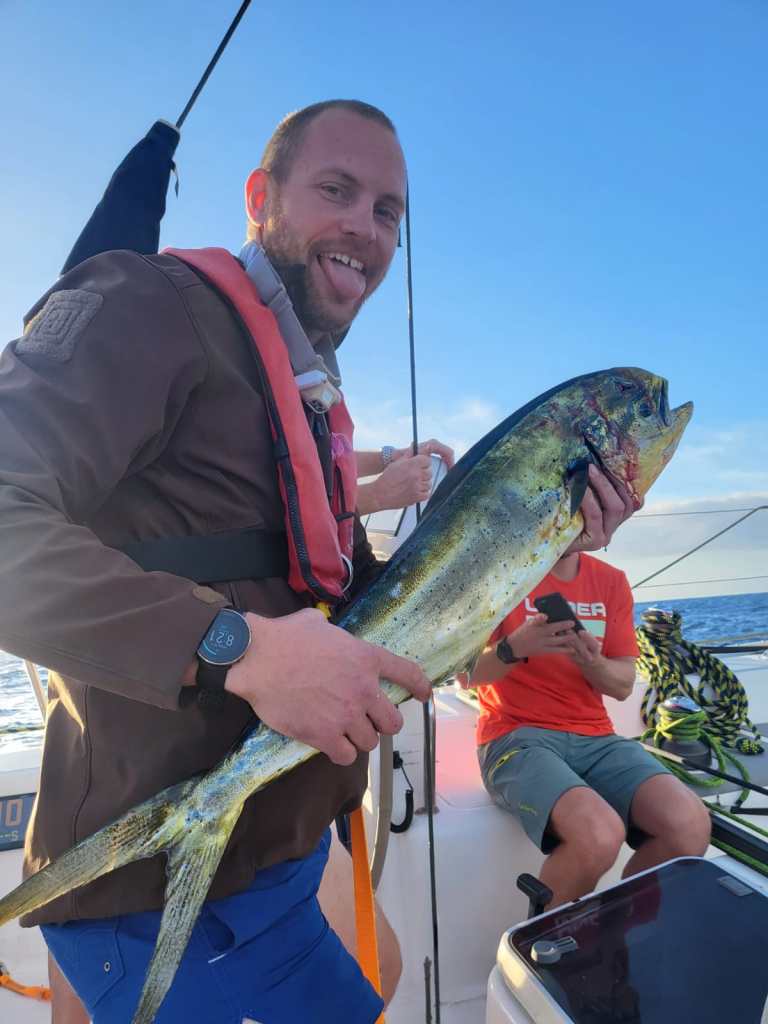
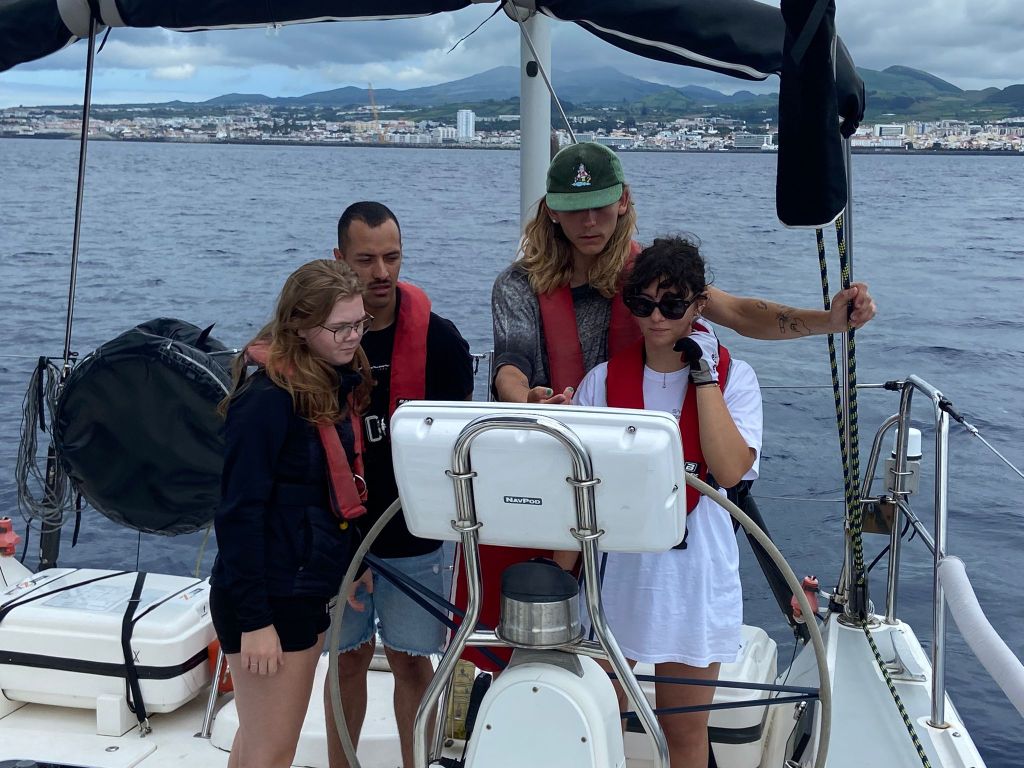

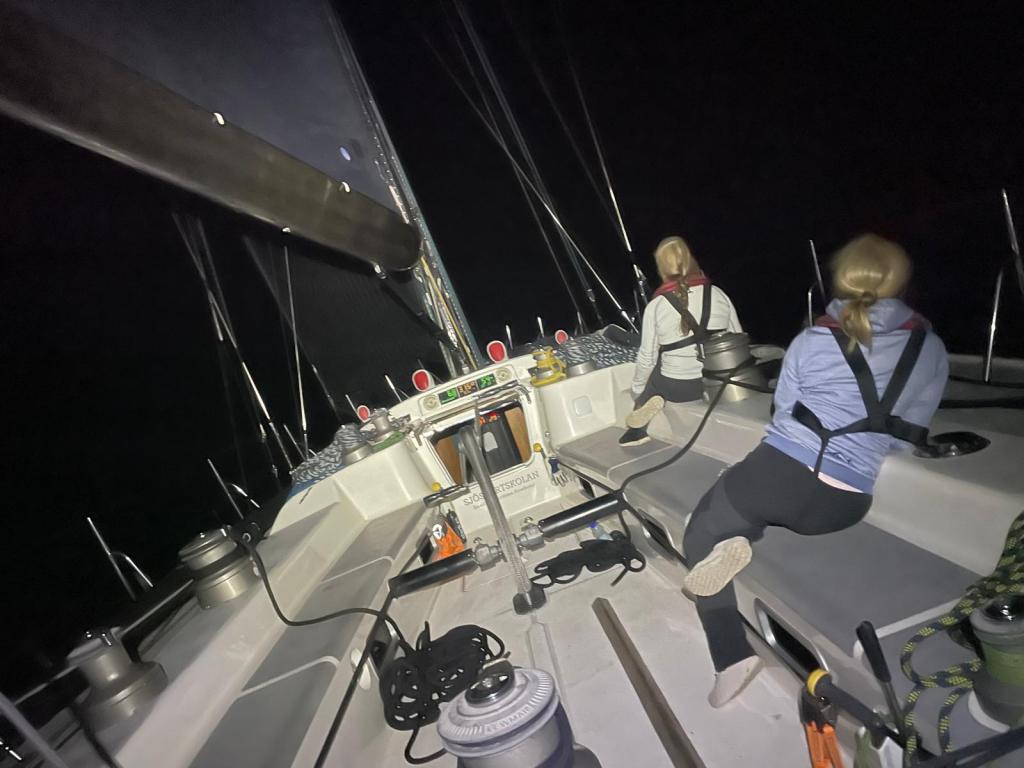
On the longer passages, we sail in watch teams where you are on watch for three hours and off watch for six hours. The time off watch is normally passed with a few hours of rest, reading a good book, listening to downloaded pods or preparing the next meal for the crew. When shorter routes with daily stops, we do not sail in watch teams, though everyone on board is involved in the sailing.
No matter the time onboard you will develop as a sailor and learn more about sailing, navigation and how to handle a vessel of this size. If it is not specifically stated in the description of the route you want to sail, you do not need any prior experience.
We are a total 12 crew members on board, including permanent crew, except on the longer ocean crossings when we are in total 14 crew members. There are no private cabins on Celeste, but on shorter routes you will have your own berth. On longer passages, over open sea with night sailing, we alternate between the berths in the aft. Under way, it is most comfortable to sleep in the aft because the boat moves the least there.
During the sail routes mooring in harbors is not always possible thus it is not uncommon to anchor in a bay. For this, transport to and from the boat takes place with the boat’s tender (rubber boat). We suggest keeping the things you want to bring ashore in a small waterproof sack (available at most boat supply and outdoor stores). The transport and landing sometimes tend to be a little wet.
S/Y Celeste of Solent is equipped with all compulsory safety equipment including personal safety equipment such as life jackets and safety harnesses.
Packing of personal items should be done in a soft duffel bag. You will keep your belongings in the bag during your stay on board. A tip is to have smaller wallet bags in your bag to find things easily. Below is a suggested packing list for the personal belongings.
SUGGESTED PACKING LIST
Personal belongings
Boots (for longer sailings on the open sea)
Boat shoes (not black sole)
Shoes while ashore (sneakers or similar)
Sandals/flip flops or similar
Sail jacket/gear or similar (in warmer latitudes, a thin sail jacket is sufficient)
Hat (for cold days/nights on the open sea)
Sailing gloves
Shorts/Pants
Fleece or other warm sweater (for chilly nights)
Base layer (for sailing where water temperature is lower)
Swimwear
Towel
Pillowcase (pillow available on board)
Under-sheet
Duvet or thinner sleeping bag
Headlamp with red light (for night sailing)
Water bottle (around 700 ml)
Smaller waterproof bag for personal belongings on shore excursions etc.
Sunglasses (recommend at least Category 3 UV Protection)
Sun protection
Passport, plus visa and proof of vaccination if required (make sure your passport is valid 6 months after you leave the destination)
Bank cards and cash
Mobile devices and charges (USB-A outlets available while at sea)
 SAILING ROUND THE WORLD