Date: July 4 – July 21, 2024, 18 days
Price: 25,000 SEK
Nautical Miles: 1400 NM
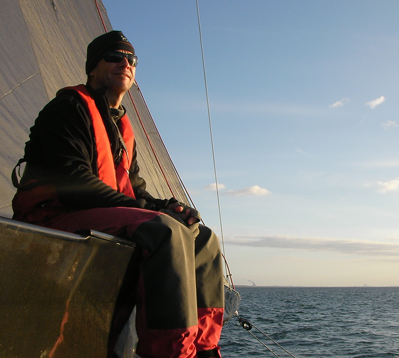
Skipper: Svante Jacobsson, mobile +46 72 565 81 01
Start: Gothenburg
End: Gothenburg
There is an option to sail only to or from the Faroe Islands. Embarkation/disembarkation is then planned for July 13.
Price: 14,000 SEK

This sailing is for those who want to gain experience or love North Sea sailing and want to explore historical islands with fantastic nature and birdlife. A wonderful sailing awaits us, where you can practice ocean sailing with round-the-clock watch duty, navigation in tidal waters, and dramatic archipelagos.
We meet on board Celeste on July 4, familiarize ourselves with the boat, plan and carry out provisioning. We also have a thorough safety briefing, and everyone gets the opportunity to get acquainted with the boat. The weather forecast will then determine whether we set off the same day or wait and visit Långedrags Värdshus for a joint dinner.
The planned route is from Långedrag across the North Sea to Shetland (Lerwick), then to the Faroe Islands (Torshavn). From the Faroe Islands, we sail to Fair Isle and then back to Gothenburg and Långedrag. Depending on the weather and winds, we might have dinner in Skagen before we sail on to Långedrag. We will likely stay 1-2 days on each island.
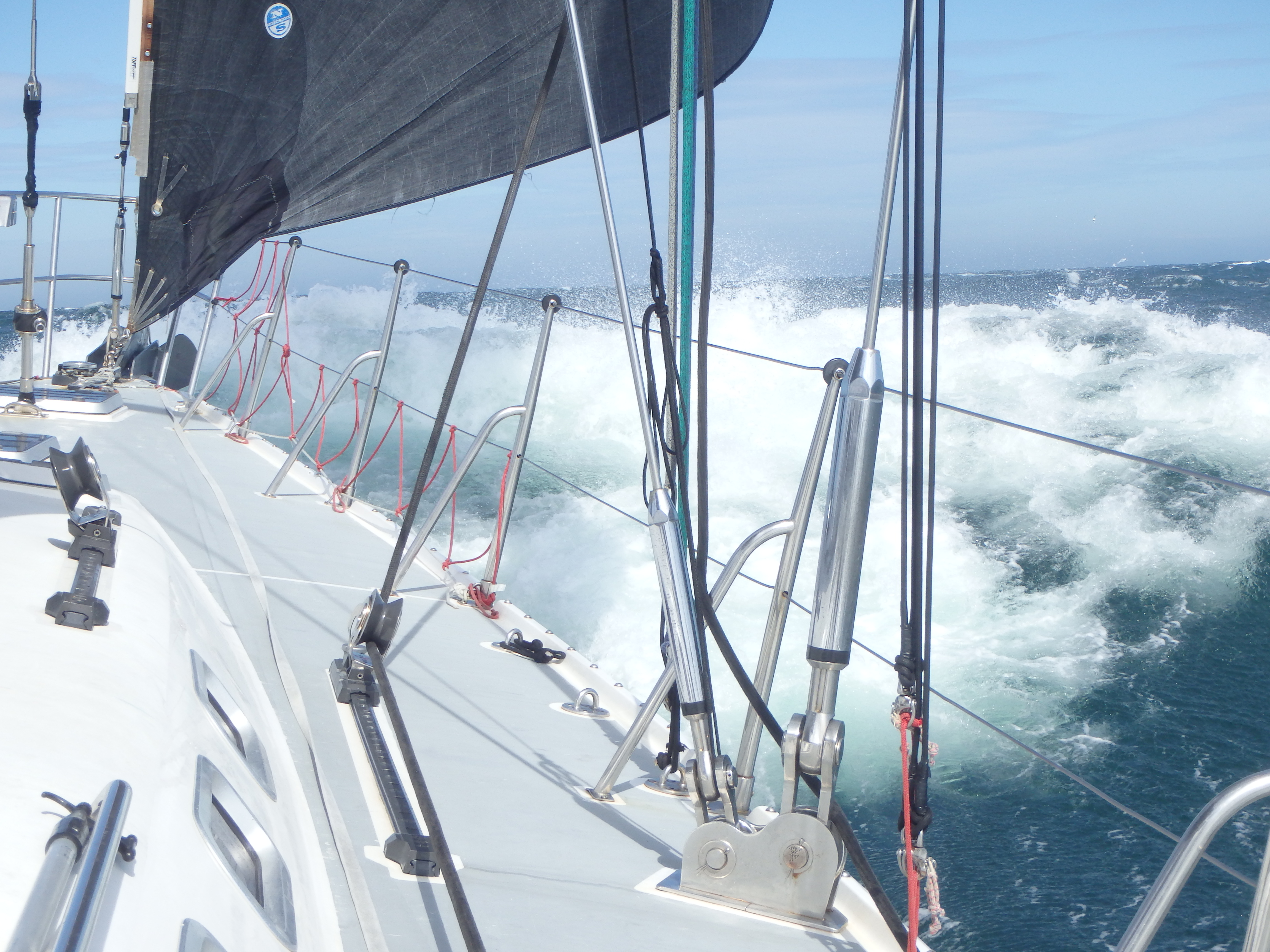
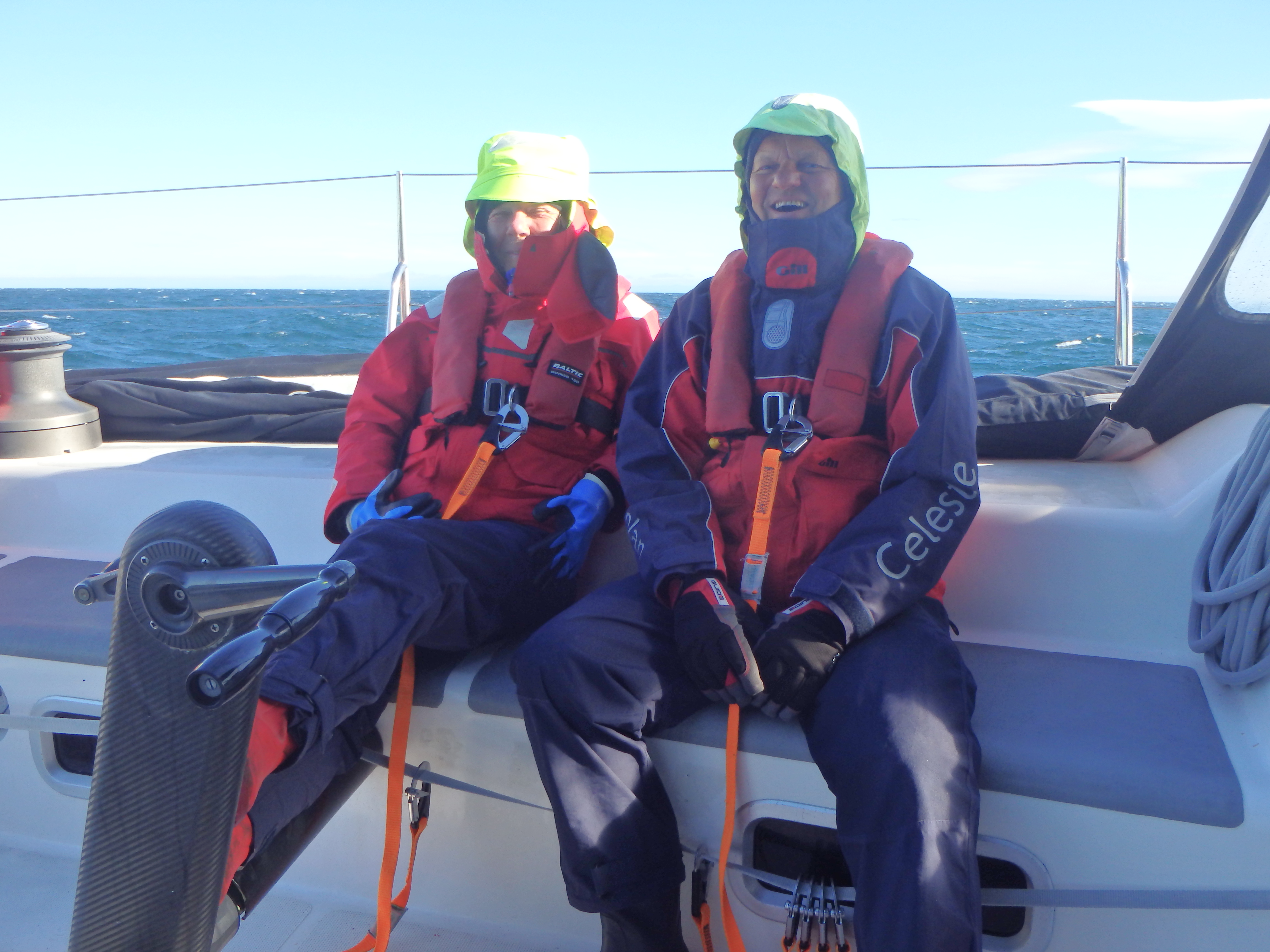
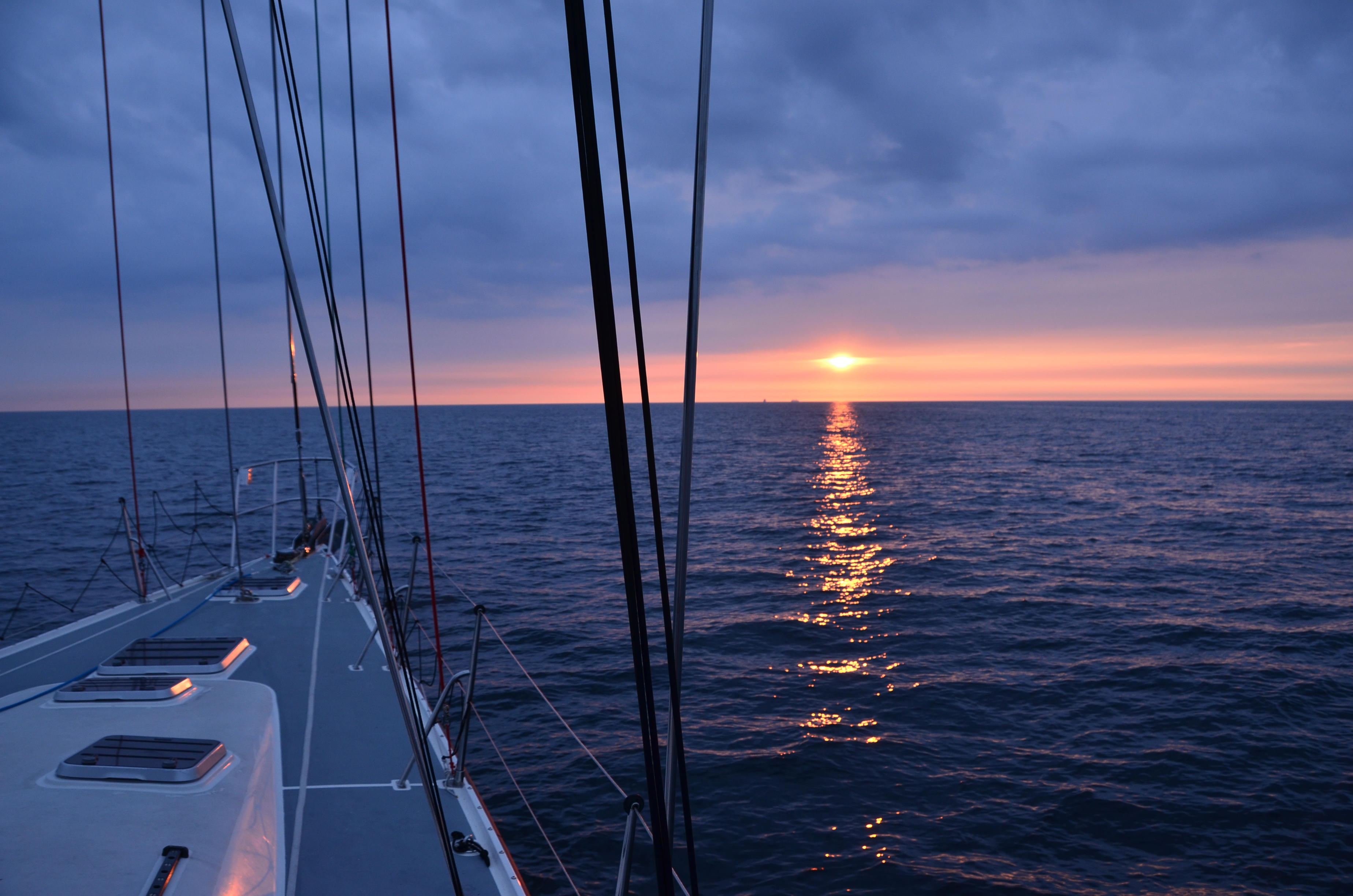
When we set sail for Shetland, we will likely head for the southern tip of Norway. If the weather requires it, we will call at Lindesnes, Norway’s notorious southwestern outpost, and perhaps sneak into the small fishing village of Korshamn or the larger town of Farsund. This gives us a chance to see some of this beautiful archipelago.
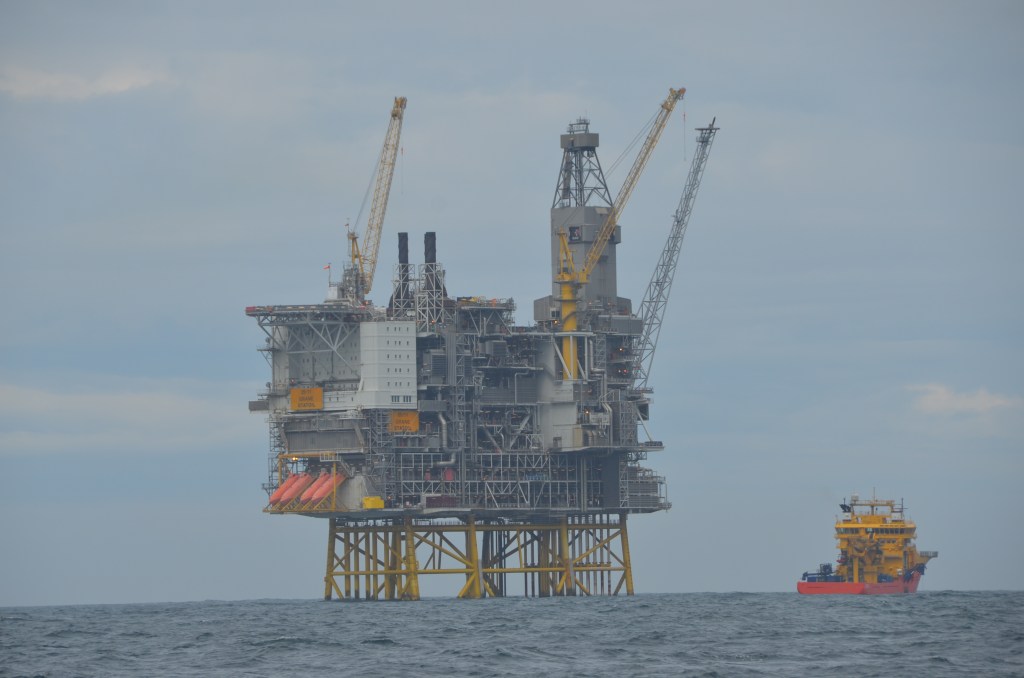
Soon we will be out on the North Sea, and we must prepare for the normally toughest part of this voyage. After a while, we will likely spot one of the many oil rigs that line up like a string of pearls out here, halfway between Shetland and Norway.
The sailing will be done in watch teams. We will have three watch teams. Watch time is three hours, and off-watch time is six hours.
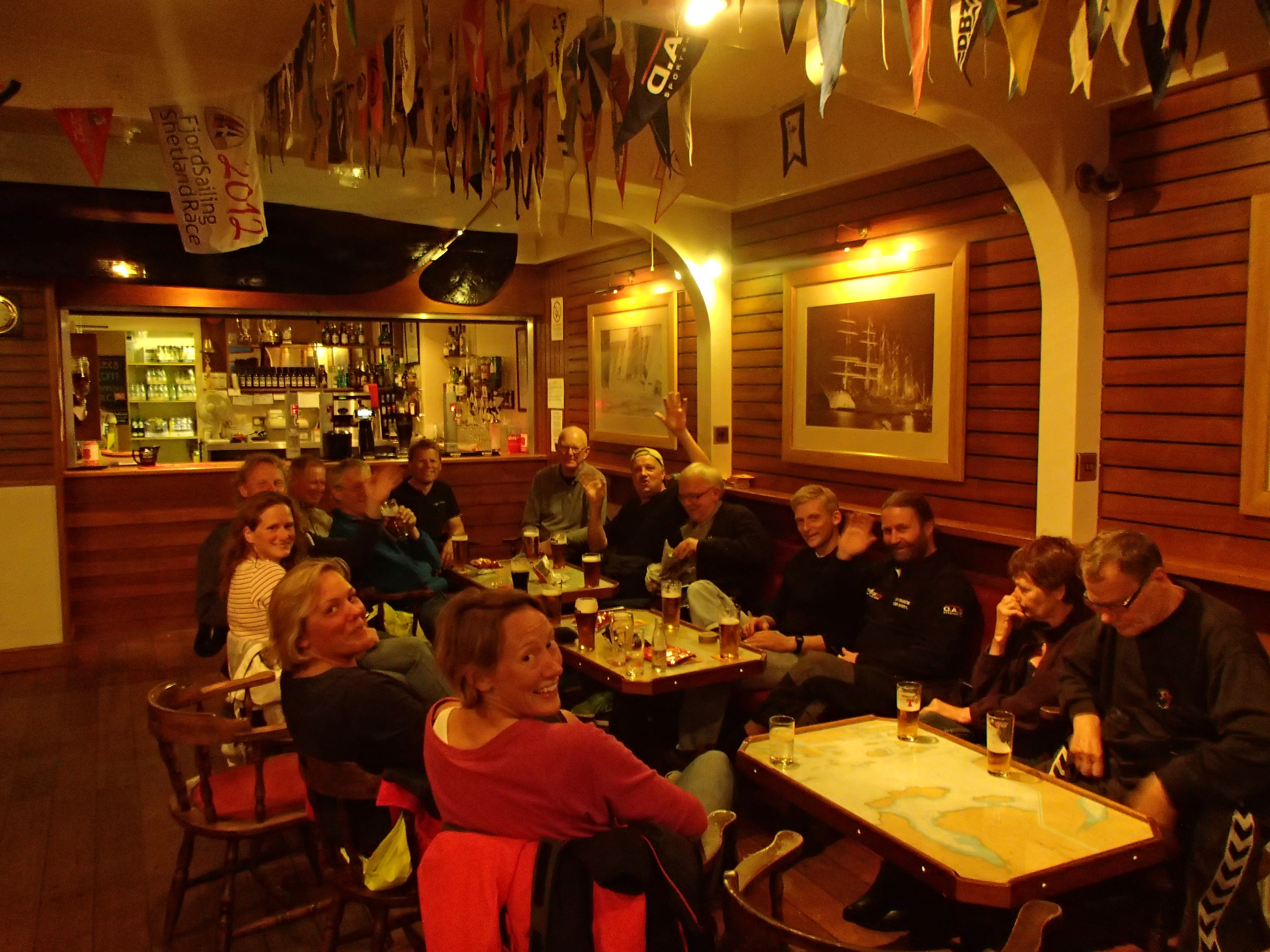
As we approach the main town of Lerwick, we will notice the distinct change in nature with all the welcoming and exciting bird species that appear. Once ashore, after sailing 450 nautical miles and being at sea for 3-4 days, we will likely have dinner at the historic Shetland Boatclub. The next day we explore the island, perhaps renting a car together. We visit Jarlshof, Sumburgh Head, and probably find a pub or two to visit. We might also have time for a trip to the Noss bird cliffs.
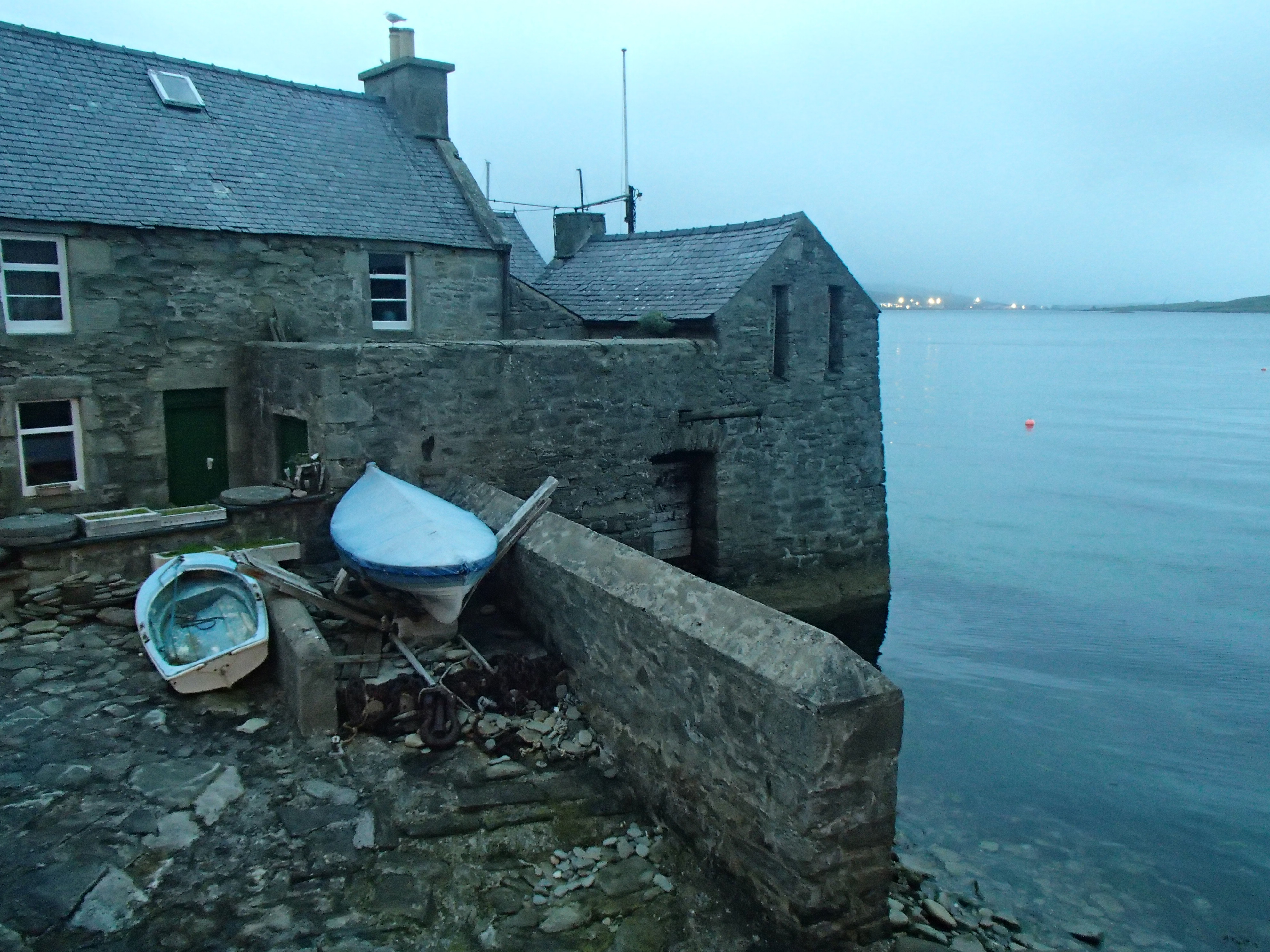
From Shetland to the Faroe Islands, it is 225 nautical miles, and we will reach the capital, Tórshavn, after 1-2 days. We will stay for a couple of days on the Faroe Islands and may rent a car and go on excursions.
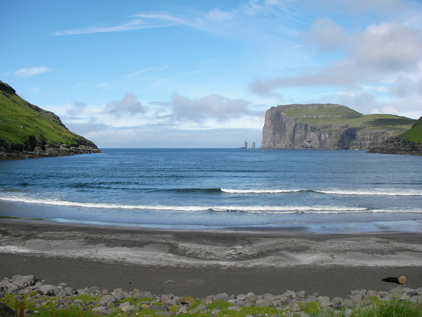
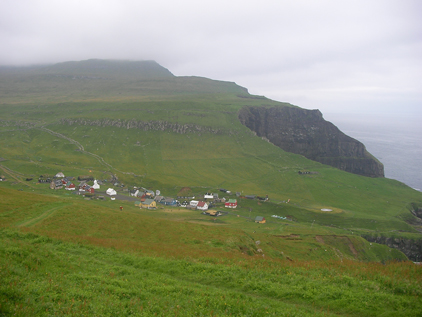
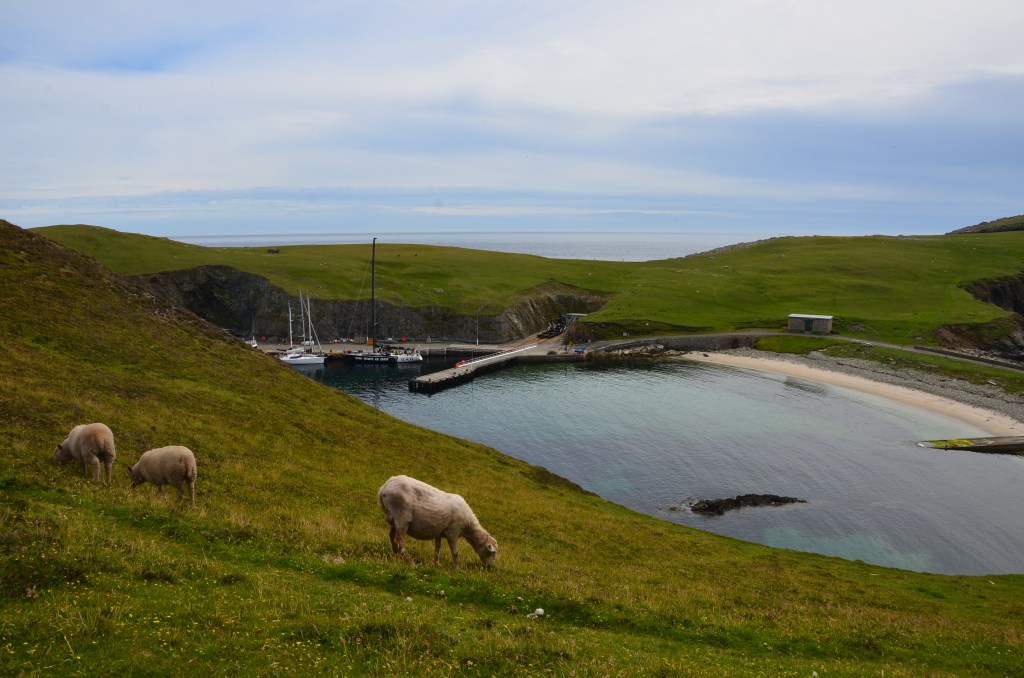
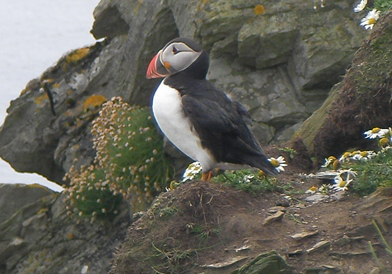
We then sail south 225 nautical miles to the bird island of Fair Isle and dock after 1-2 days right next to cliffs full of puffins, gannets, and many other species. Perhaps we will launch the rubber boat and visit the fantastic caves.
After an overnight stay on Fair Isle, we set sail either directly for Långedrag (410 nautical miles and 3-4 days).
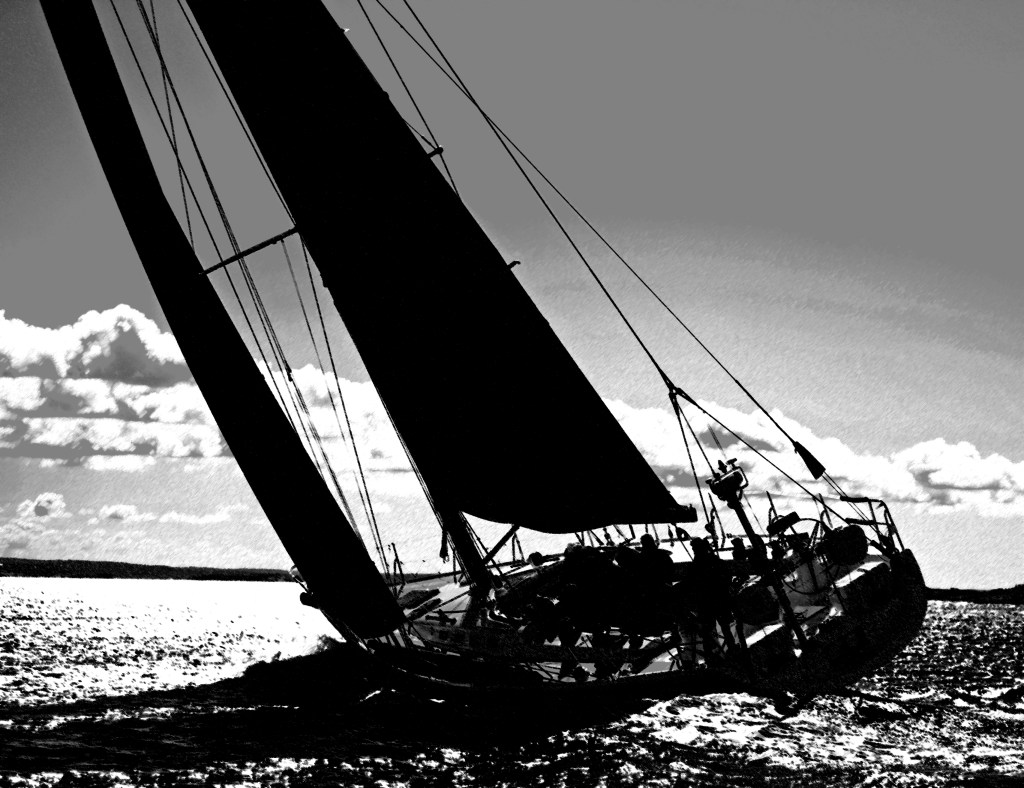
The return journey is usually a pleasant sail, perhaps largely with a gennaker/spinnaker. Just this in itself is an experience to look forward to. Before we quite realize we are already back, we round the northern tip of Jutland, and if time permits, we end two exciting sailing weeks with a visit to Skagen before we set sail again for Långedrag.
Here you can read more about what it’s like to sail on Celeste and suggestions for a packing list.
Our Payment and Cancellation Policy
A BIT ABOUT THE ISLANDS WE PLAN TO VISIT
Shetland Islands
The archipelago consists of about 100 islands and islets, of which only 15 are inhabited. Mainland has the largest population. Shetland was conquered in the 9th century by Norwegian Vikings who called the islands Hjaltland. Although Scotland took control of the archipelago in 1472, the Norse (called Norn) remained until the early 19th century. The dialect in Shetland is still strongly influenced by Norse in tone and vocabulary. The Shetland Islands have been inhabited since 3000 BC. The population lived by cattle farming and agriculture and built megalithic monuments. From around 2000 BC, the climate became colder, and the population moved closer to the coast. During the Iron Age, many stone houses were built, and it is from them that there are ruins today. Examples include Jarlshof and the Stanydale Temple. From around 297 AD, Roman texts tell of the Celtic people called the Picts who inhabited the islands. In the 9th century, they were displaced by the Vikings. Around the same time oil was found in Norway, oil was also found off the Shetland Islands. The East Shetland Basin is one of Europe’s largest oil fields, and the oil extracted here is sent to the oil terminal in Sullom Voe (Old Norse: Solheimavagr). The Sullom Voe terminal opened in 1978 and is the UK’s largest oil export port with a volume of 25 million tons annually.
Central and western Mainland are characterized by sounds, lakes, and traditional small farms. In this part of the Shetland Islands lies the valley of Tingwall, which under Norwegian rule was the seat of an annual parliament, called the Althing, on the island of Lawting Holm in Tingwall Loch. In the northern part of Mainland, the landscape consists of black cliffs, stone piles, skerries, and blowholes. The narrow peninsula that stretches 40 km south from Lerwick is called southern Mainland. The landscape there is characterized by colonies of seabirds, and the area has a large number of archaeological sites.
Faroe Islands
The Faroe Islands are an archipelago in the North Atlantic and a self-governing part of Denmark. It consists of 18 main islands, of which 17 are inhabited, and nearly 800 smaller islets. As of May 2023, the population was 54,503. The capital is Tórshavn. The three parts of the Kingdom of Denmark, the Faroe Islands, Greenland, and Denmark proper, together form the Kingdom of Denmark. The Faroe Islands have been under Danish rule since 1380 but have had significant internal self-government since 1948, which today includes trade, education, research, and marine and fishing issues within a designated marine zone around the islands. The economy is small and trade-dependent, centered around fishing. Tourism is also an important industry. When Denmark joined the European Union in 1973, the Faroe Islands chose to remain outside, thus retaining control over their fishing rights. From the late 600s to the early 700s, the islands were visited by various monks from Ireland, who used the Faroe Islands and Iceland as hermitages. Later, Norwegian Vikings emigrated to the islands.
The total area of the Faroe Islands is roughly half the size of Gotland but has almost the same population. Tórshavn, however, has only half as many inhabitants as Visby. Trees were previously entirely absent but have now been planted in very limited quantities in sheltered locations, mostly in urban areas. The trees were sourced from Alaska (mostly pine) and Tierra del Fuego (mostly southern beech), where similar humid, salty, windy, cool conditions prevail. Trees brought from Scandinavia fare worse.
Fair Isle
Fair Isle is an island southwest of the Shetland Islands, located almost halfway between the Shetland Islands and the Orkney Islands. Although the island is marginally closer to the Orkney Islands, Fair Isle politically and administratively belongs to Shetland. The majority of the 70 inhabitants live in small crofts on the southern part of the island, as the northern part mainly consists of rocky mountains. The west coast has cliffs that are around 200 meters high. The population has fallen from about 400 inhabitants in 1900. There are no pubs or restaurants on the island, but there is a small school. After the age of eleven, schoolchildren must continue their education in Lerwick. Fair Isle has been inhabited since the Bronze Age, despite the lack of raw materials on the island, although it is surrounded by rich fishing waters. On August 20, 1588, the ship El Gran Grifón from the Spanish Armada was shipwrecked at Stroms Heelor, causing the 300 sailors to spend six weeks with the island’s inhabitants. The shipwreck was discovered in 1970. In 1954, the National Trust for Scotland bought the island from George Waterson, who had previously established the island’s bird observatory.
 SAILING ROUND THE WORLD