Dates: May 10 – 25, 2025 – 16 days
Price: 2 560 Euro
Skipper: Mats Eriksson tfn +46 705 58 38 45
Start: Ponta Delgada, Sao Miguel, Azorerna
End: Ponta Delgada, Sao Miguel, Azorerna
The Azores – a long awaited destination for sailors crossing the Atlantic.
Beautiful islands with highly diverse character and nature.
Whales, dolphins, and sunsets. Some open-sea and night sailing with three-hour watches, but otherwise, lazy days on deck—or active days ashore.
Explore the iconic sailor murals and Peter’s famous café in Horta, enjoy warm baths, thrilling snorkeling dives, and hikes through garden-like forests. Meet friendly locals in distinct island communities.
This is a sailing trip for those who, in addition to the joy of sailing, want to experience truly unique natural beauty.
On departure day, we meet to plan the route, divide into watch teams, and stock provisions. We’ll have a tour of Celeste, and you’ll have time to familiarize yourself with her on your own.
The next morning, we’ll have a safety briefing, fill up the water tanks, and then it’s time to set sail. Perhaps we’ll stop after just a couple of hours for a swim in the azure waters of the Atlantic, with thousands of meters of depth beneath us.
We plan to visit four to five of the islands. The length of our stays on the various islands will, of course, depend on weather, wind, and the crew’s shared preferences.
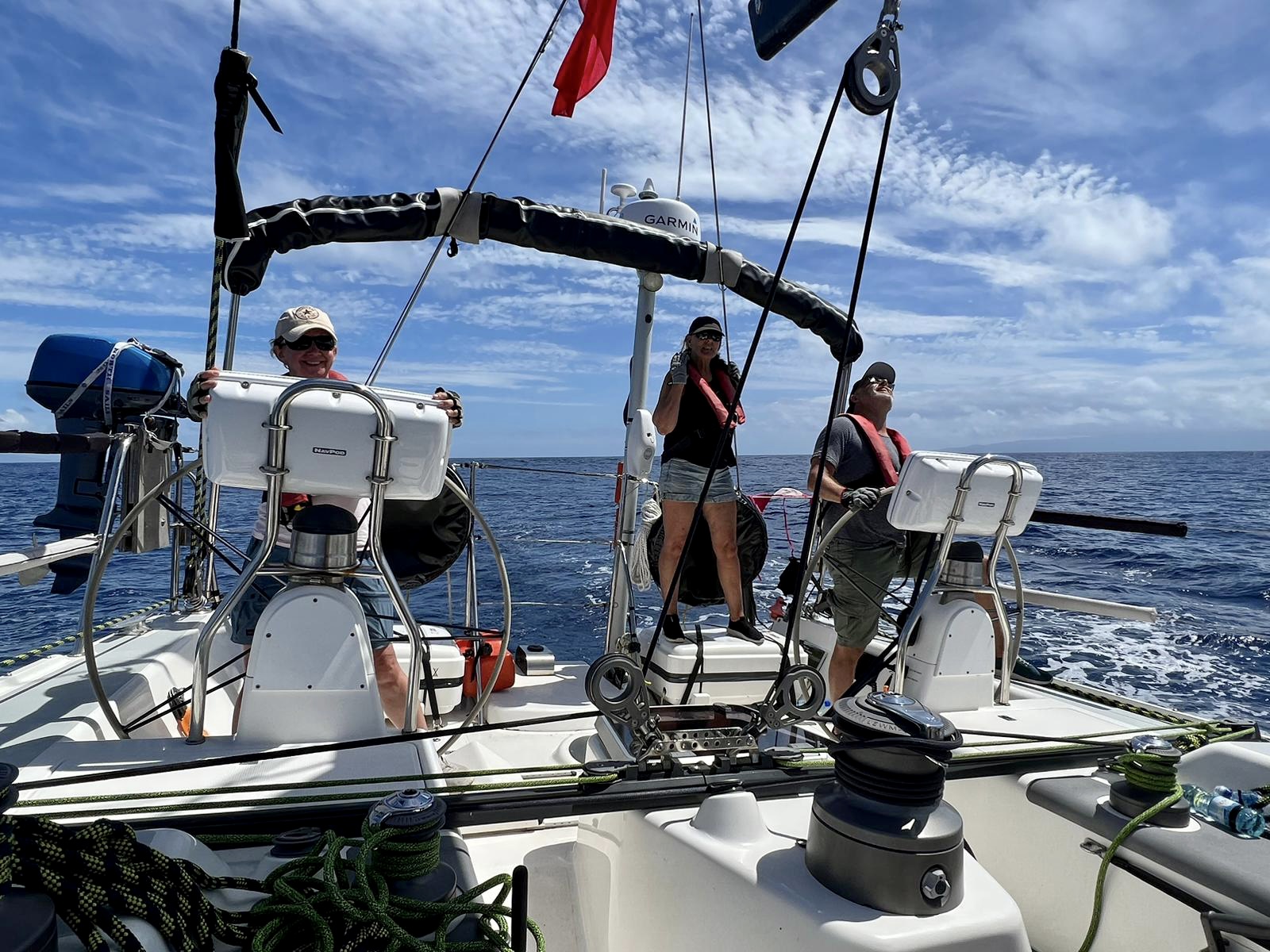
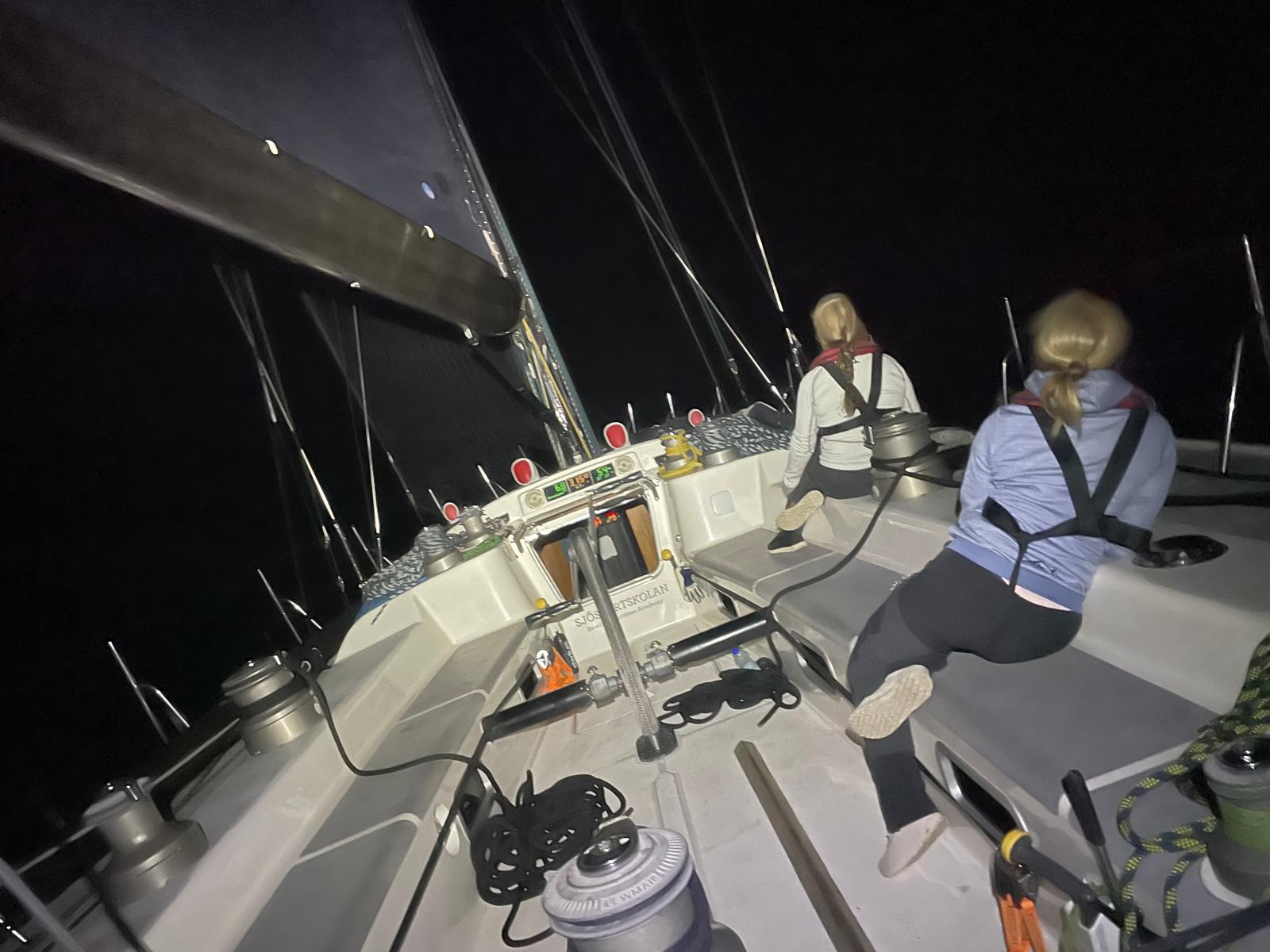
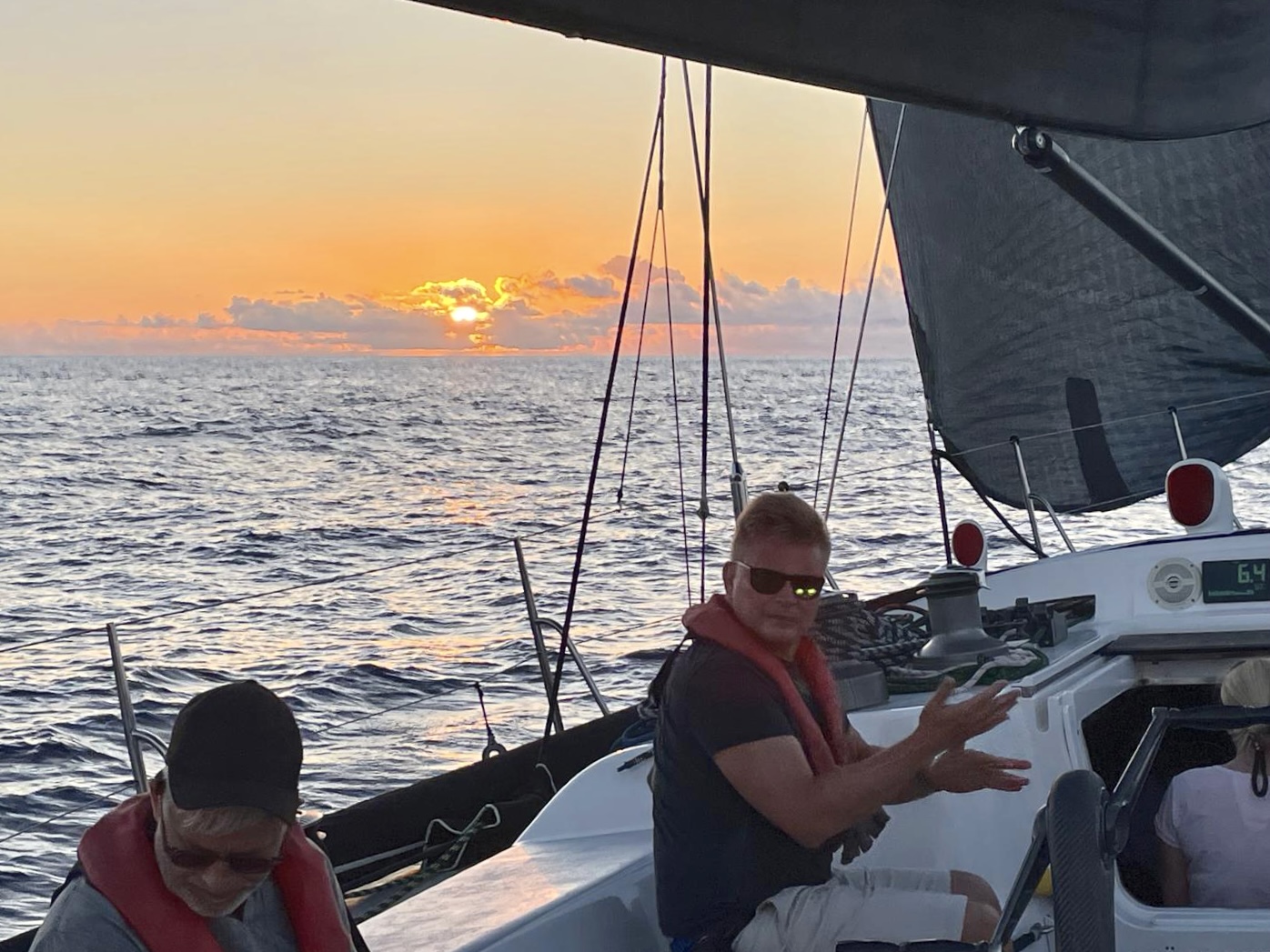
We typically sail between 20 and 60 nautical miles during a day’s voyage, with 1-2 night sails of 100 to 200 nautical miles, hopefully under a starry sky and moonlight.
Dolphins will likely visit us, playfully swimming around the boat. We might also spot whales, though that depends on a bit of luck and the crew’s sharp lookout. The Azores is one of the world’s top locations for whale and dolphin watching. Turtles are also present here, and perhaps we’ll even try our hand at fishing one day.

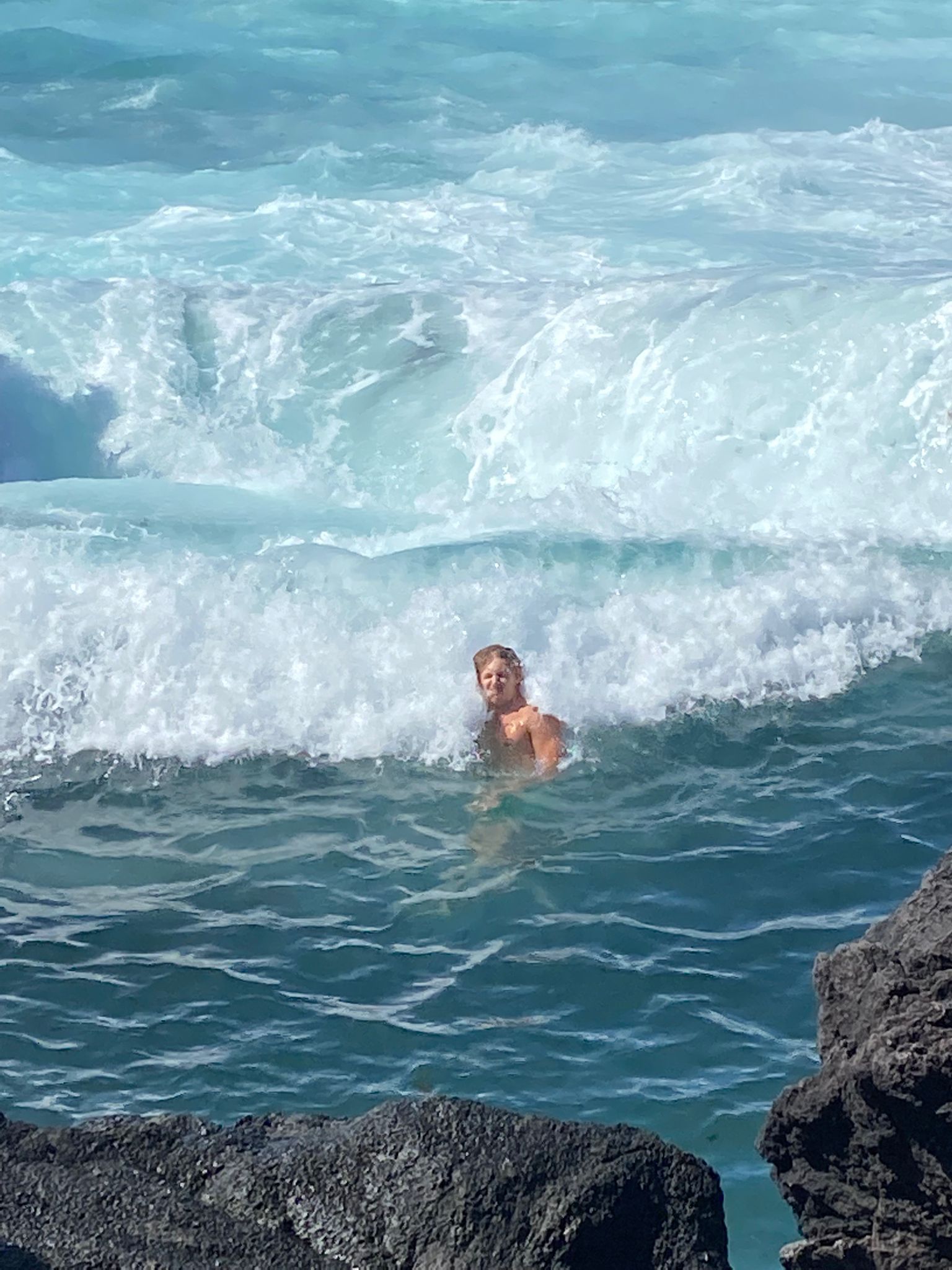
We usually stay at least a full day on each island to explore. We will do group excursions or if you prefer, you can explore on your own. Sometimes, we rent cars or a minibus for shared outings.
While sailing, we have lunch on board. When docked in a marina, we alternate between eating onboard or dining at local restaurants. The food is generally affordable, and the seafood is, of course, outstanding. Few things compare to a perfectly cooked “rare tuna.” Cows are a common sight on the islands’ green hills, and the locally sourced beef is of excellent quality.
Read more about what it’s like to sail on Celeste: Sailing Celeste
About the Azores and some practical information
The Azores is an archipelago of nine volcanic islands located in the middle of the Atlantic Ocean. Known for its stunning landscapes, the islands feature lush greenery, dramatic cliffs, crater lakes, and unique flora and fauna. The islands were formed after volcanic eruptions along the Mid-Atlantic Ridge, a mountain range beneath the ocean’s surface.
Part of Portugal, the Azores are also a part of the European Union but enjoy a high degree of autonomy. The summer weather is akin to a pleasant Swedish summer, with air temperatures ranging from around 20°C at night to 24–26°C during the day. Thanks to the Gulf Stream, sea temperatures average between 20 and 23°C in July and August.
Local Life and Practicalities
The people of the Azores are friendly and helpful, and English is widely spoken. The currency is the Euro, and while credit cards are commonly accepted, carrying some cash is advisable. Mobile calls and data fall under standard EU rules, with good coverage across the islands. Restaurant prices are reasonable, even by Swedish standards.
Travel and Accessibility
Flights to and from São Miguel arrive at João Paulo II Airport, just outside Ponta Delgada. It’s a short taxi ride, about 15 minutes, to the marina.
Exploring the Islands
The Azores comprises nine islands: Santa Maria, São Miguel, Flores, Corvo, Graciosa, Terceira, São Jorge, Pico, and Faial. São Miguel is the largest and most populous, home to more than half of the archipelago’s total population of 241,000 people.
Santa Maria: Known for its tranquil atmosphere and diverse landscape, Santa Maria features flat areas in the west and mountains in the east. It was the first of the Azorean islands to be discovered.
São Miguel: Famous for its luxurious marina in the cobblestone streets of Ponta Delgada, São Miguel also offers natural hot springs, a warm waterfall, and countless hydrangeas, the iconic flower of the Azores.

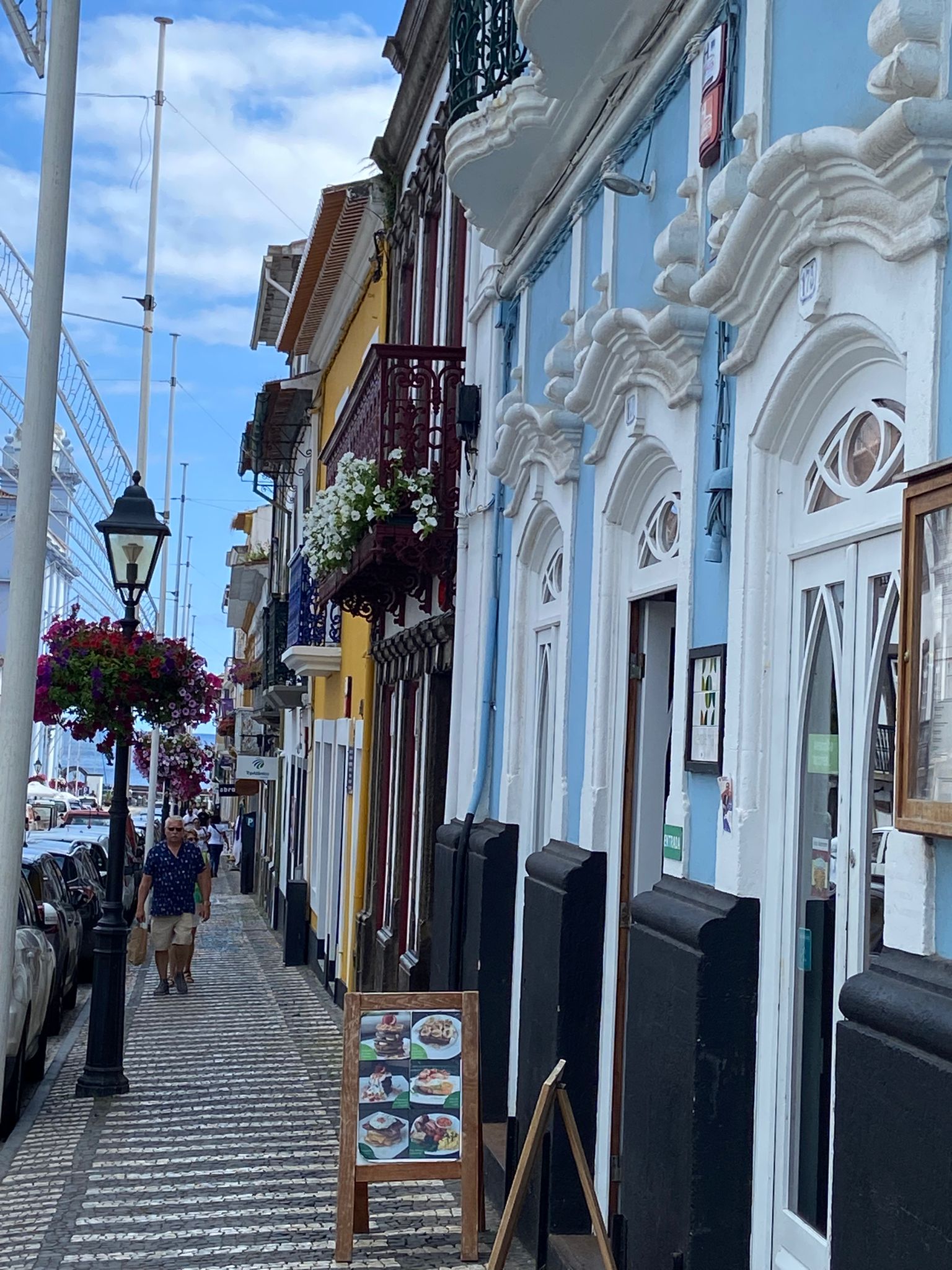
Flores: Often regarded as one of the most beautiful islands in the Azores, Flores boasts a diverse and dramatic landscape. Expect steep mountains, cascading waterfalls, caves, serene lakes, and coastal cliffs that plunge hundreds of meters into the Atlantic.
Corvo: The smallest island in the Azores, Corvo is home to just 300–400 residents, nearly all of whom live in the charming town of Vila Nova. With its narrow streets and winding alleys, Vila Nova exudes a quaint and picturesque atmosphere.
Graciosa: Known as the “White Island” due to its landscapes featuring white rock formations in certain areas, Graciosa offers fewer architectural or cultural attractions but compensates with its stunning natural beauty and captivating scenery.
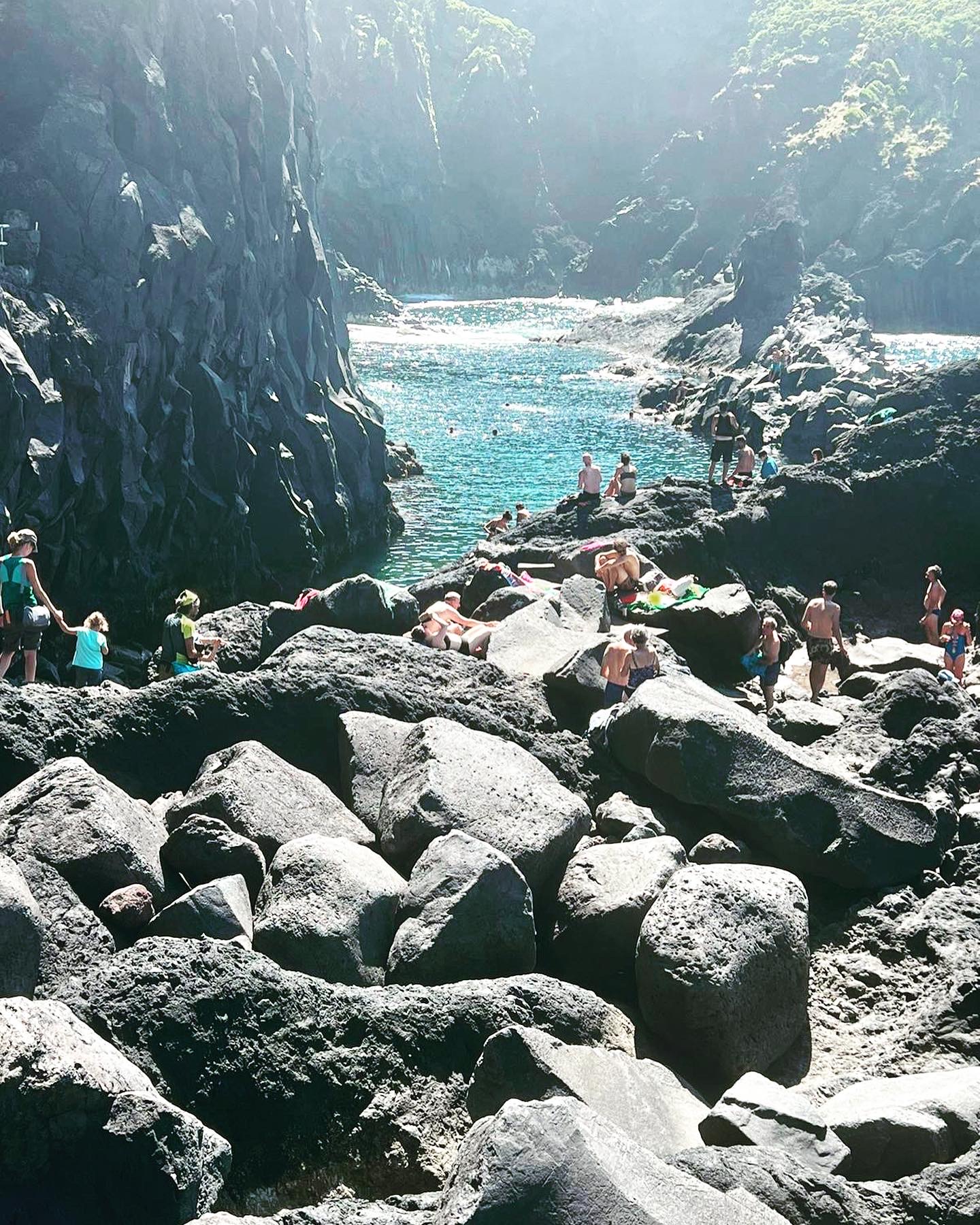
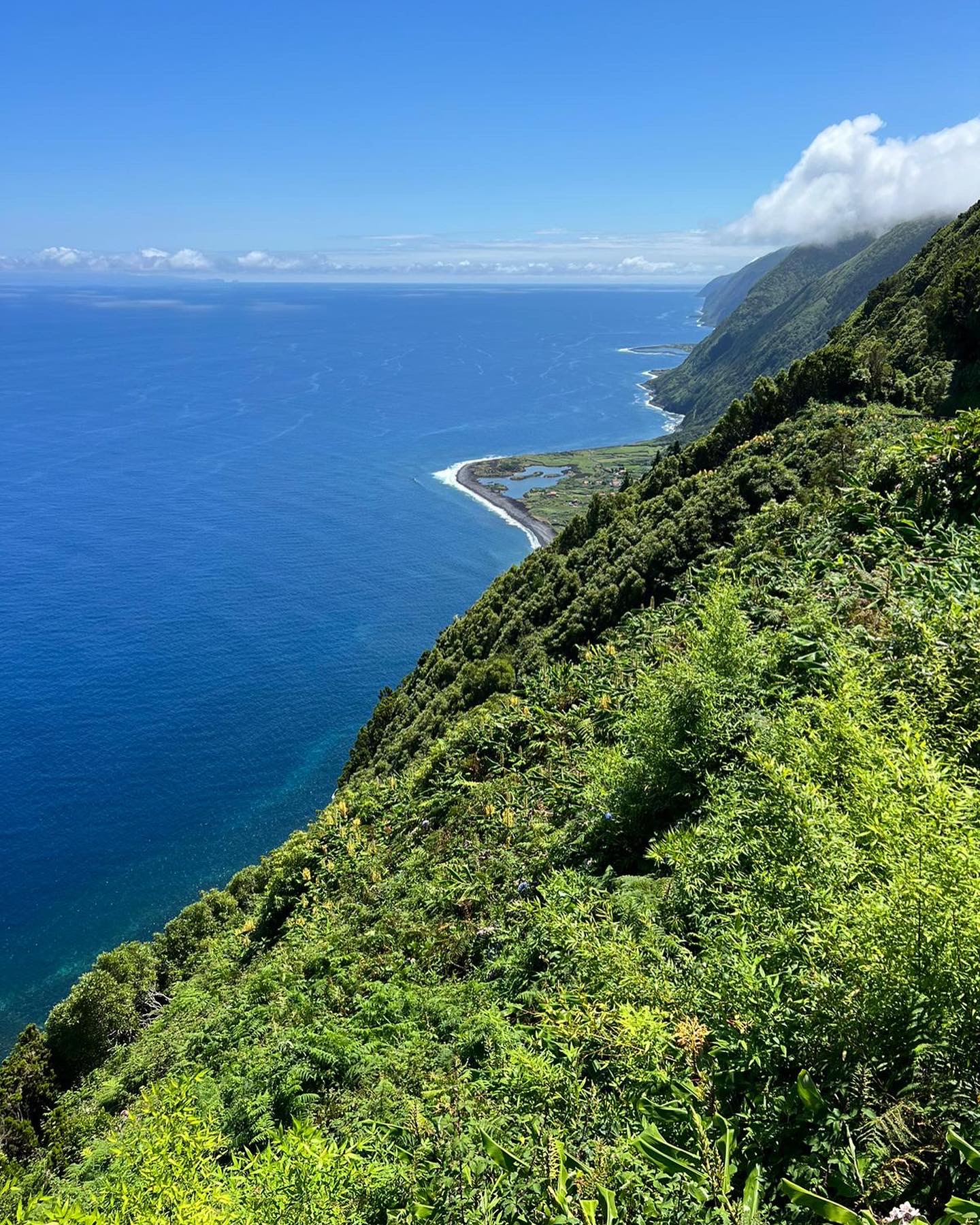
São Jorge: Famous for its dramatic coastline and lush forests, São Jorge is essentially one long mountain ridge. Cows graze peacefully on the green, fertile slopes. The island’s pristine nature and stunning landscapes make it one of the best Azorean islands for hiking, with well-maintained trails. However, more rugged paths require sturdy boots and a compass.
Pico: The second-largest island in the Azores, Pico covers an area of 448 km² and is home to the Azores’ and Portugal’s highest mountain, also named Pico. This dormant volcano, standing 2,351 meters tall (higher than Kebnekaise), features the crater Pico Alto at its summit. The island is dotted with remnants of solidified lava, caves, and tunnels from past eruptions. Declared a nature reserve in 1972, the volcano remains active, occasionally emitting smoke from its crater.
Faial: Perhaps the wealthiest island historically, Faial gained prominence as a communication hub between Europe and the U.S. when transatlantic telegraph cables were laid. Today, it serves as a hub for Atlantic sailors, with Horta often a waypoint for ocean racers. Peter’s Café, beneath the marina, is a meeting spot where sailors gather to share stories and experiences from their crossings.

 SAILING ROUND THE WORLD